
Articles & Advice · 3 September 2026
Farm Water Systems in North Waikato: Installation, Bores & Troughs for Rural Properties
Water is one of the most fundamental pieces of infrastructure on any rural property, and it's rarely as simple as connecting to a single mains supply.
Water is one of the most fundamental pieces of infrastructure on any rural property, and it's rarely as simple as connecting to a single mains supply. Between stock troughs, irrigation, household needs, and bore water, a working farm water system usually involves several connected parts, each with its own requirements.
At Utility Works, we install farm water systems for lifestyle blocks and working farms across North Waikato. This guide covers the main components involved, so you know what to plan for on your property.
What Makes Up a Farm Water System?
A rural water system typically needs to serve several different purposes at once, which is why most farm water setups combine multiple elements:
- Bore connections, drawing water from underground sources where mains water isn't practical or available
- Reticulation, distributing water around the property to troughs, sheds, and other points of use
- Trough installation, providing reliable stock water access across paddocks
- Irrigation and sprinkler systems, supporting pasture, crops, or gardens
Depending on your property's size, stock numbers, and land use, some or all of these may be part of your setup.
Water Bore Connections for Rural Properties
For many North Waikato properties, a bore is the most practical water source, particularly where mains water isn't available or where supplementing existing supply makes sense. A water bore connection typically involves:
- Connecting the bore to a pump system, sized appropriately for your property's water demand
- Installing pipework from the bore to storage tanks, troughs, or the reticulation network
- Ensuring compliance with regional council requirements around bore water use and consent, where applicable
Bore water quality and yield vary significantly by location, so understanding what your specific bore can reliably supply is an important first step before designing the rest of your system around it.
Reticulation: Getting Water Where It Needs to Go
Once water is sourced, whether from a bore, mains connection, or a combination of both, reticulation is what gets it distributed across the property. For farms, this usually means:
- Pipework networks running to multiple paddocks, sheds, and troughs
- Pressure management, ensuring adequate flow reaches distant points on the property
- Storage tanks, where buffering supply against demand peaks makes sense
Reticulation design matters more on larger or more spread-out properties, where distance and elevation changes can significantly affect water pressure at the far end of the system.
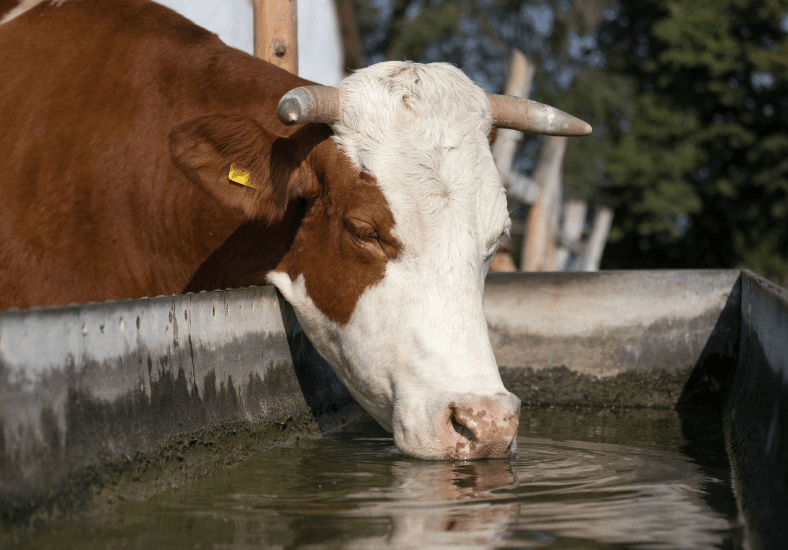
Trough Installation for Stock Water
Reliable stock water access is one of the most basic requirements for any working farm, and trough installation needs to account for:
- Placement, balancing convenient access for stock with practical pipe routing
- Float valve systems, to manage water level automatically
- Capacity, sized to the number of stock and their daily water needs
- Durability, given the exposure to weather and animal contact troughs face over time
Poorly planned trough placement is a common source of ongoing frustration on farms, so it's worth getting this right at installation rather than adjusting later.
Irrigation and Sprinkler Installation
Beyond stock water, many North Waikato properties also need irrigation for pasture, crops, or gardens. This typically involves:
- Sprinkler or drip irrigation systems, depending on the land use and area covered
- Pump and pressure requirements, sized to the irrigation area and system type
- Integration with the broader reticulation network, so irrigation doesn't compromise pressure elsewhere on the property
Irrigation demand is often seasonal, so systems need to be designed with peak summer usage in mind, not just average conditions.
Compliance and Regional Council Requirements
Rural water systems in North Waikato are subject to regional council requirements, particularly around bore water use, consents, and in some cases irrigation take limits. Getting this right from the outset means:
- Understanding what consents apply to your specific water source and intended use
- Designing your system to operate within those requirements
- Keeping documentation in case future compliance checks or property sales require it
Compliance requirements can vary depending on your specific location and water source, so it's worth confirming current requirements with your regional council alongside your installation planning.
Planning a New Farm Water System
Whether you're setting up water infrastructure on a new lifestyle block or upgrading an ageing system on a working farm, planning typically starts with:
- Assessing your water source options – bore, mains connection, or a combination
- Mapping out demand – household, stock, and irrigation needs across the property
- Designing the reticulation layout – pipe routes, pressure requirements, and storage
- Installing troughs and irrigation – positioned for practical, long-term use
- Confirming compliance – with regional council requirements for your water source and use
Getting this sequence right from the start avoids costly retrofitting later, particularly on larger properties where reticulation changes can mean significant additional trenching.
Get Your Farm Water System Sorted
A well-planned farm water system takes the guesswork out of day-to-day property management, from reliable stock water to consistent irrigation supply. Whether you need a full new setup or an upgrade to an existing system, getting the fundamentals right from the start makes a real difference over the life of the property.
If you're planning a farm water system anywhere in North Waikato, get in touch with the Utility Works team for an assessment tailored to your property.
Frequently Asked Questions
What's involved in installing a farm water system?
A farm water system typically combines a water source (such as a bore or mains connection), reticulation to distribute water around the property, trough installation for stock, and irrigation or sprinkler systems where needed.
Do I need council consent for a bore water connection in North Waikato?
Consent requirements vary depending on your specific location, intended water use, and volume drawn. It's worth confirming current regional council requirements alongside your installation planning.
How is trough placement decided on a farm water system?
Trough placement balances practical access for stock with efficient pipe routing, while accounting for capacity needs based on stock numbers and reliable float valve operation.
Can irrigation and stock water share the same reticulation system?
Yes, though the system needs to be designed to handle both demands without compromising pressure, particularly during peak summer irrigation periods.
What's the difference between bore water and mains water for a rural property?
Bore water draws from an underground source on the property, while mains water connects to the local reticulated network. Many rural properties in North Waikato use a bore where mains access isn't practical, subject to water quality, yield, and consent requirements.
Let's discuss your underground project needs. Contact us today for a free, no-obligation quote.
Free, no-obligation quote · Mon–Fri 7am–5pm · Auckland, Franklin & North Waikato