
Hydro Excavation & Potholing
Vacuum excavation that exposes buried services without striking them
Since 2015Own locators, hydro-vac & diggersAuckland · Franklin · North Waikato
What it is
Digging with pressurised water and a vacuum truck instead of a bucket. The water loosens the soil, the truck sucks up the slurry, and the pipe or cable is exposed without being hit. Potholing is a small test hole to confirm exact position and depth.
When you need it
- You need to dig near live power, gas or fibre.
- A trench has to cross a footpath or berm full of other services.
- The site is wet and open trenches keep filling with groundwater.
What you get
- The service exposed and visible, with its true depth and position confirmed.
- A neat hole or slot, spoil removed in the truck, not piled on site.
- Photos of each exposed service for your records and the digger operator.
Dig Without the Guesswork
Hydro excavation uses pressurised water to loosen the ground and a vacuum to lift the slurry straight into the truck. There is no bucket tooth, auger or blade in the hole, so the cable, pipe or duct you are digging towards comes out of the ground exposed and intact. For anyone working near live power, gas, water or fibre across Auckland, Franklin and North Waikato, it is the safest way to open the ground.
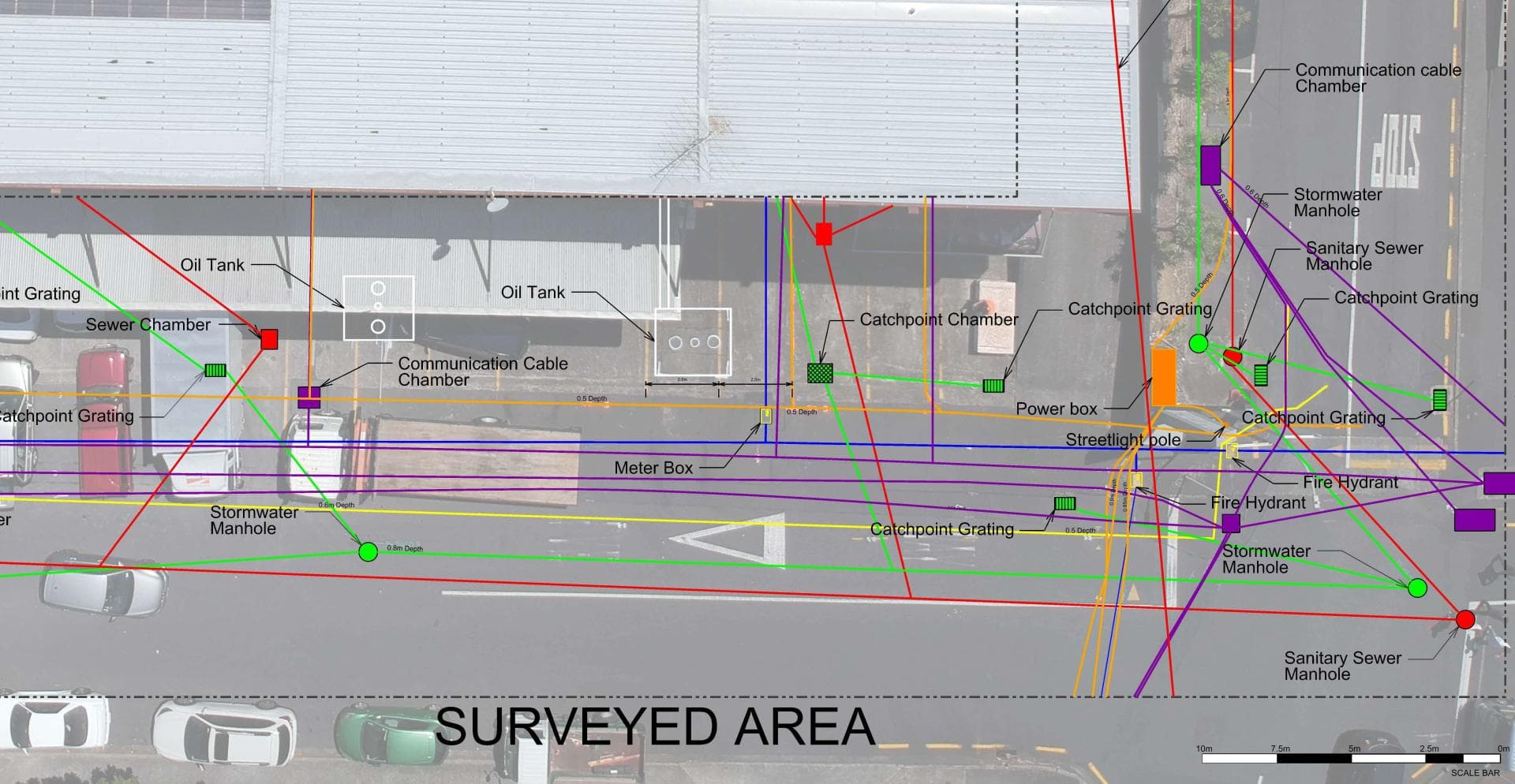
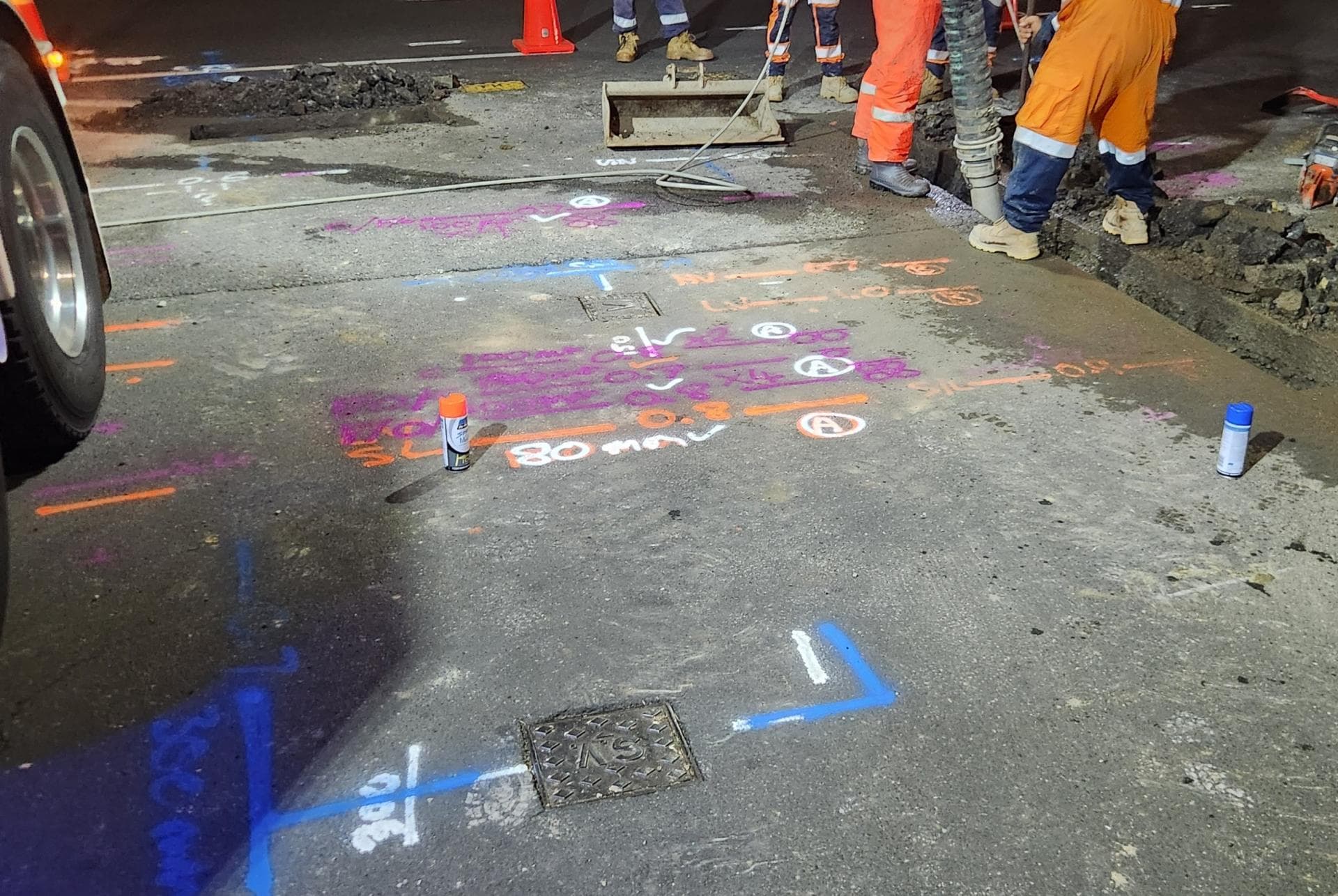
Utility Works runs its own hydro-vac trucks alongside its locating gear and diggers. We trace and mark out services with our underground service detection and mapping crew, confirm anything uncertain with ground penetrating radar, then pothole or slot trench exactly where the locate says to. Because one crew does both jobs, nothing gets lost between the paint on the footpath and the hole in the ground.
How it works
How hydro-vac exposes a service
Locate and mark first
The service is traced and marked on the surface so we know roughly where and how deep before any digging.
Water loosens, vacuum lifts
Pressurised water breaks the ground up and a vacuum hose removes it — nothing with an edge touches the pipe or cable.
Exact position, confirmed
You see the service exposed, its depth measured and recorded — then the trench, bore or install goes ahead safely.
Typical uses
Hydro-Vac Potholing
Before any mechanical excavation near known services, we pothole to visually confirm the exact position and depth of each asset. A small, neat hole is opened with pressurised water and the slurry is vacuumed into the truck, leaving the pipe or cable exposed and undamaged.
Slot Trenching
Where a trench has to cross a corridor of existing services, we cut a narrow slot with the hydro-vac rather than a bucket. It is the safest way to run new power, water or comms under a footpath, driveway or berm that is already full of other people's assets.
Daylighting Services
When the whole run of a pipe or cable needs to be seen, not just a single point, we daylight it along its length. Useful for tie-ins, repairs on aged mains, and for proving the route of a service that plans show in the wrong place.
Keeping Trenches Clear of In-Flow
On wet sites and in high groundwater, open trenches fill as fast as a digger can empty them. The vacuum keeps water and spoil moving out of the trench so cable and pipe can be laid on a clean bed and backfilled properly.
Pole, Pit & Footing Holes
Hydro-vac is ideal for opening holes for power poles, light columns, cable pits and fence posts in ground where you cannot be sure what is below. Clean sides, accurate depth and no strikes.
Confined & Sensitive Sites
Around substations, schools, retirement villages and live industrial sites, a hydro-vac truck does the work of a digger with a fraction of the disturbance. Spoil leaves in the truck, not in a pile on the lawn.
Vacuum Excavation That Keeps Your Programme Moving
Hydro-vac is how civil and utility crews dig near live services without a strike stopping the job — and because we run our own trucks, it’s booked with the locate, not chased from a third party.
Pothole to prove services before you trench
Non-destructive daylighting that confirms depth and position, so your crew trenches with certainty instead of a spotter and crossed fingers.
Slot trenching through congested corridors
Narrow, clean trenches cut across berms, footpaths and driveways already full of other owners’ assets — the safe way to run new power, water or comms.
Pole, pit and footing holes
Clean, accurate holes for columns, cable pits and footings in ground where no one’s certain what’s below.
Live and sensitive sites
Around substations, schools and operating plants the truck does a digger’s work with a fraction of the mess — spoil leaves in the tank, not in a pile on site.
Need services exposed safely before you dig? Talk to us about hydro-vac potholing and slot trenching.
Free, no-obligation quote · Mon–Fri 7am–5pm · Auckland, Franklin & North Waikato
Google reviews
What customers say
“Prompt service & fair pricing. Tony and his team — sharp eye for detail and out of the box problem solving paired with a high standard of workmanship.”
Richard La Trobe · Google · October 2026
“Really happy with the work to install our underground services. Highly recommend.”
Sarah Walworth · Google · October 2026
“The only company we trust… reliable, cost effective, and honest service from A to Z. 100% confidence in this company.”
Darrel Assink · Google · September 2026
Our Projects
1–2 of 3
South Auckland
Auckland Residential Water Mains Replacement
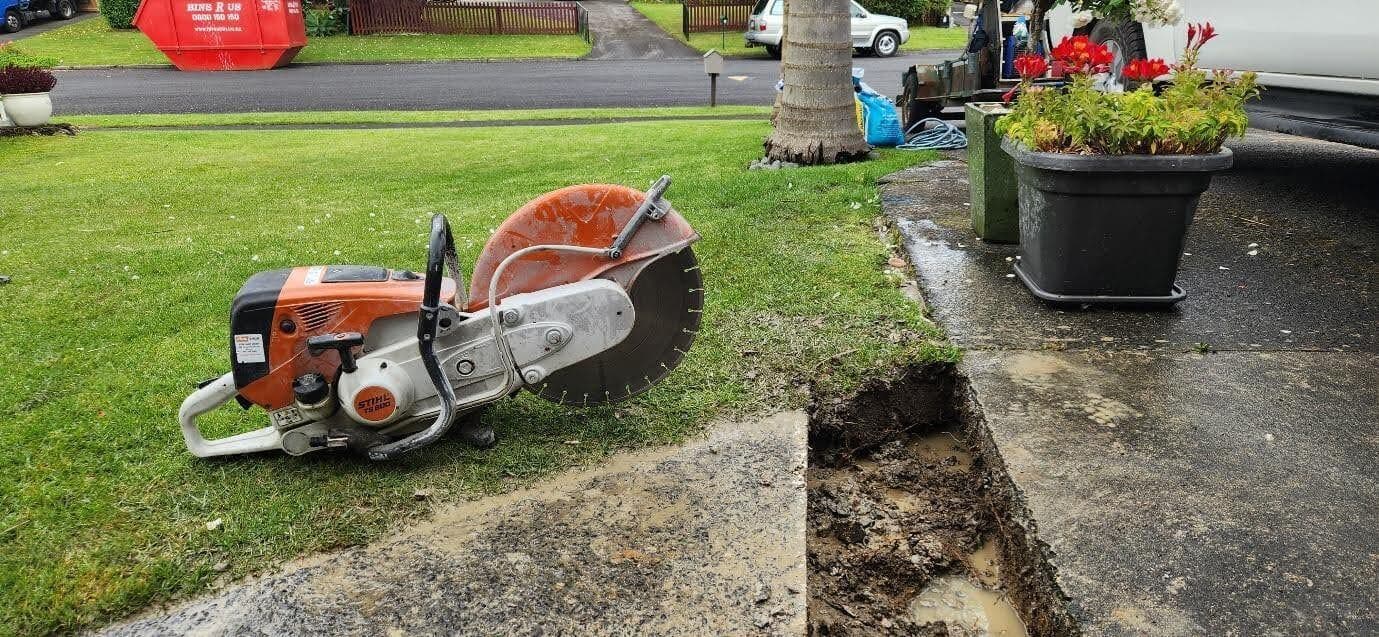
After the aged water mains at a residential property in South Auckland had many failures, Utility Works was contracted to renew the system. The project involved services detection, concrete cutting, and hydro-vac trenching to minimise risk and damage to other services in the work zone. The new water mains were installed with a new inlet valve, toby, and relayed concrete, and the property reinstated to its original condition.
Read the case study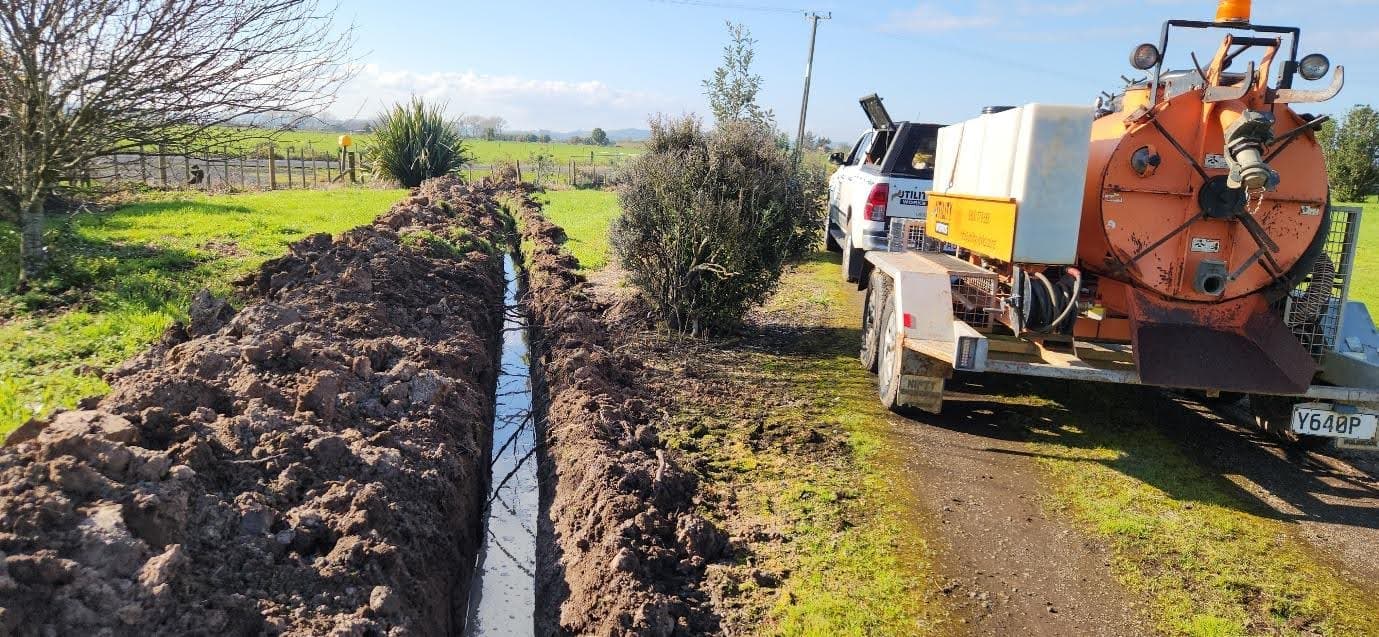
North Waikato
Rural Power Mains Installation in North Waikato
Utility Works was commissioned to install a new power mains cable on a rural North Waikato property. The project involved existing services detection, excavator trenching, and hydro-vac works to keep the trench clear due to in-flow during the project, followed by installation of the three-phase cable and final connect and commission. The project was completed on time and within budget.
Read the case studyWorth a read first
Guides & advice
1–3 of 5
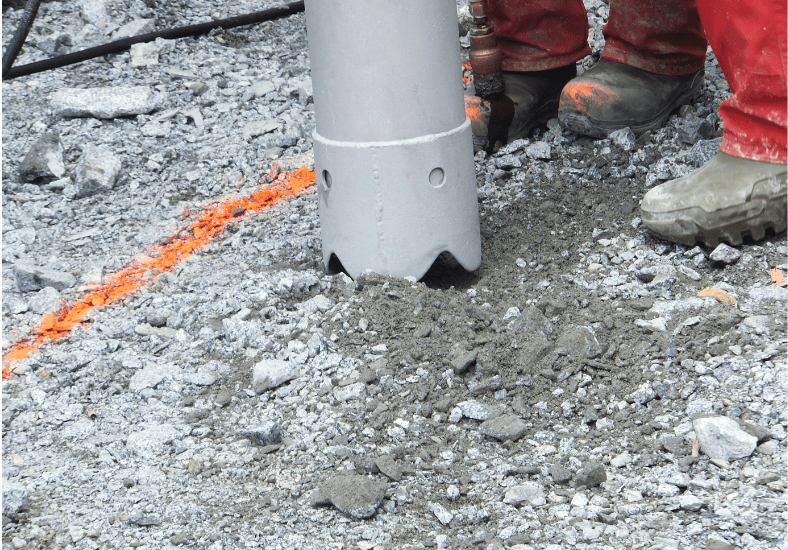
What Is Hydro Vac Potholing? The Safest Way to Expose Underground Services Before You Dig
Confirming where an underground service actually sits is one thing.
Read the guide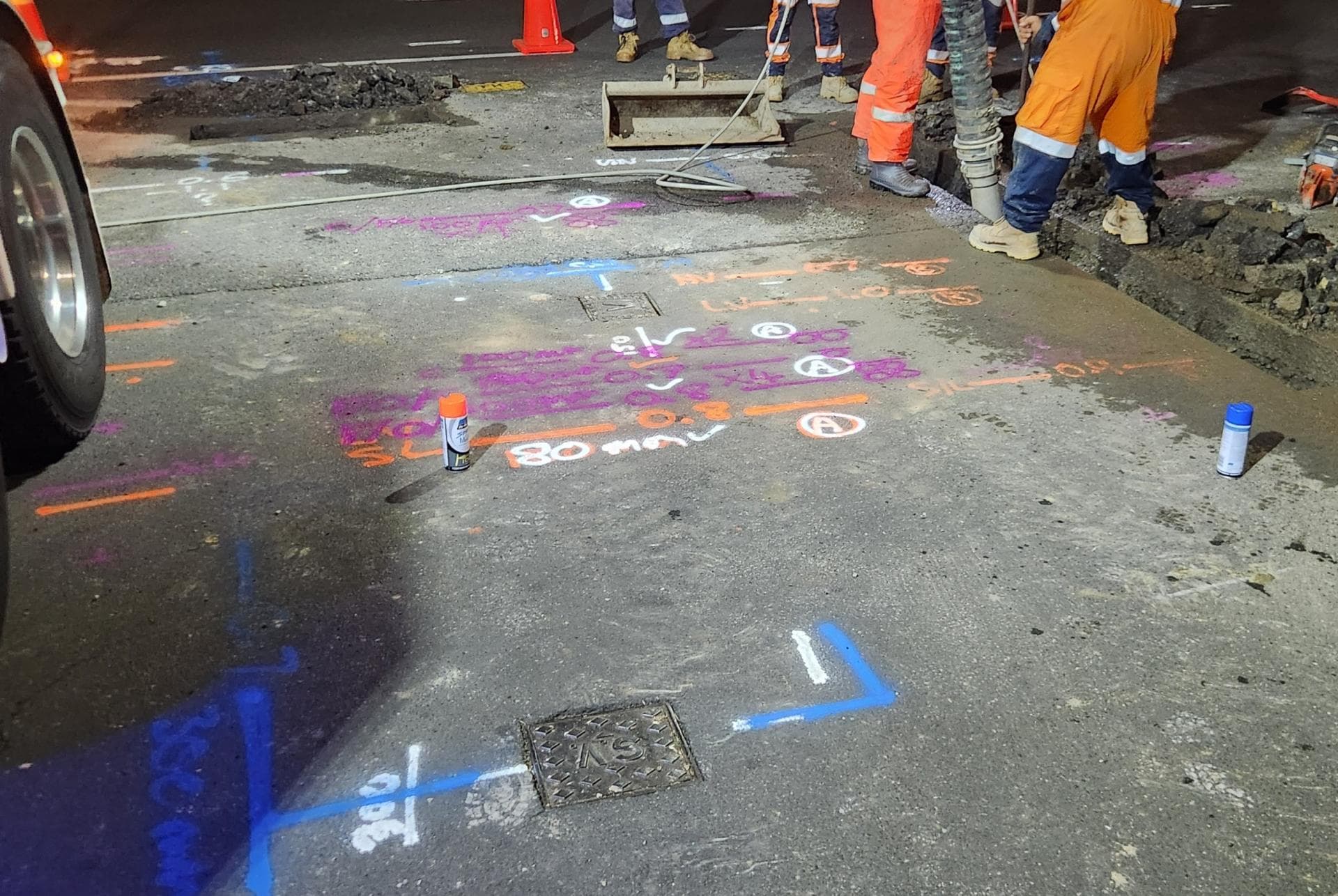
Pre-Dig Investigation in Auckland: Why It's the Most Important Step Before You Excavate
Every excavation project starts the same way — with ground that looks empty on the surface but is often anything but underneath.
Read the guide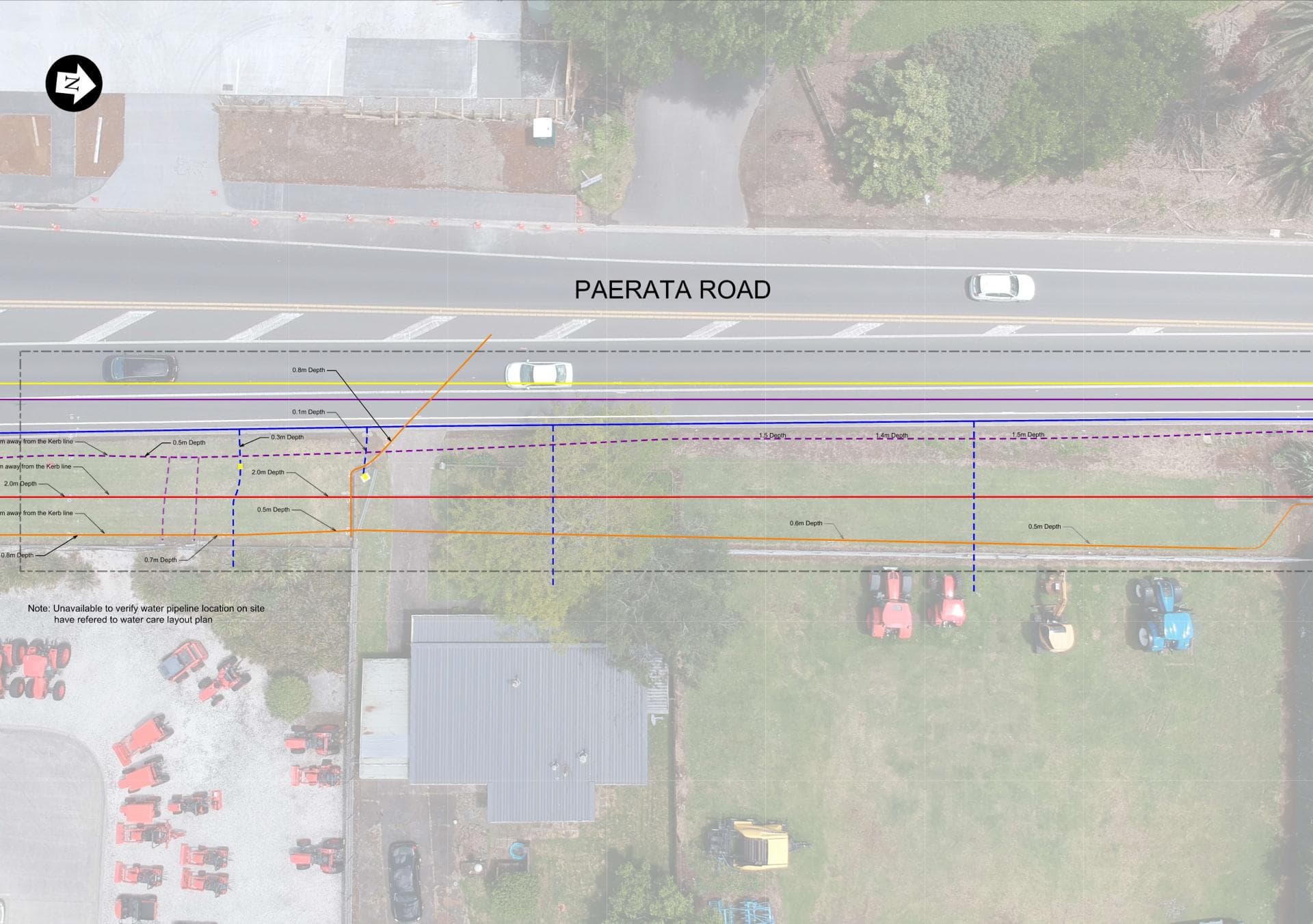
The Role of Underground Service Detection in Safe Excavation
Before breaking ground on any project — from residential landscaping to large-scale commercial construction — it’s vital to know what’s below the surface.
Read the guideFAQ'S
What is hydro excavation?
What is potholing and why do I need it before I dig?
Is hydro-vac safe to use around live power cables and gas mains?
Can you do the locating as well as the hydro excavation?
Where do you offer hydro excavation?
Ready when you are.
Tell us what you’re seeing or what you’re planning. You’ll get a straight answer, a free quote and one crew that does the whole job.
Mon–Fri 7am–5pm · Waiau Pa, South Auckland · Auckland, Franklin & North Waikato