
Ground Penetrating Radar Survey
See the pipes, voids and tanks a locator can’t
Since 2015Own locators, hydro-vac & diggersAuckland · Franklin · North Waikato
What it is
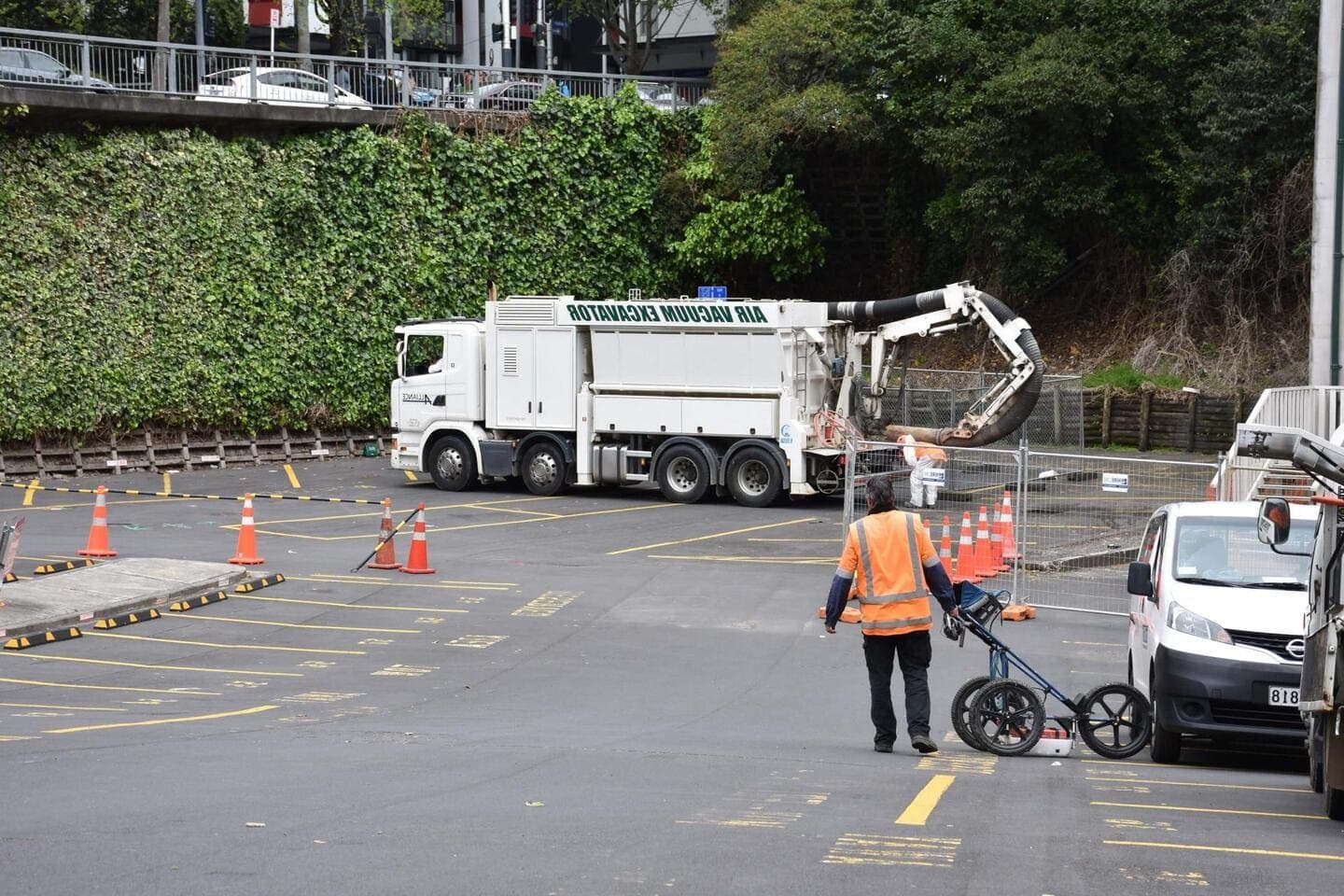
A radar unit pushed across the ground sends pulses down and reads what bounces back, showing pipes, cables, tanks, voids and old foundations that standard locators cannot pick up — including plastic pipes with no metal to trace.
When you need it
- Plastic water or gas pipes need locating and have no tracer wire.
- You suspect old tanks, footings or voids under a site before building.
- Standard locating has found most services but gaps remain in the picture.
What you get
- Targets marked on the ground with estimated depths.
- Radar scan images and a plain report on what was found.
- GPS-referenced data you can drop into your site plan or CAD.
Detailed Underground Insights for Construction & Infrastructure Projects
When you need to know exactly what’s beneath the surface, ground penetrating radar (GPR) is the industry standard for fast, accurate results. Utility Works’ GPR investigations provide detailed data to help you locate underground utilities, structures, and voids before digging or construction begins.
Servicing Auckland, Franklin, and North Waikato, we work with contractors, project managers, developers, and surveyors to deliver reliable information that keeps projects safe, compliant, and on track.
How it works
How a GPR scan works
Radar goes into the ground
The unit sends radar pulses down as it’s pushed across the surface — no digging, no contact with services.
Changes bounce back
Anything different from the soil around it — a plastic pipe, a void, a tank, a slab — reflects a signal we read on screen.
We mark and cross-check
Targets are marked out on the ground and confirmed with electromagnetic locating or potholing where it matters.
Typical uses
Locating plastic and non-metallic services
PE water and gas pipes, PVC drains and other services a standard electromagnetic locator can’t see.
Scanning concrete before cutting or coring
Slabs, walls and floors checked for conduits, rebar and post-tension cables before a saw or core drill goes in.
Finding voids, tanks and old structures
Buried tanks, septic systems, old foundations and cavities that could affect construction or drilling.
Mapping a site with no plans
Older factories, schools and farms where nothing is recorded — a picture of what’s there before anyone digs.
GPR Survey Data Your Engineers Can Build From
Most of our GPR work is for people who dig, design or sign off on a site — not just finding a pipe, but getting it onto the plan.
Pre-construction site investigation
A GPR survey of the whole site before design or earthworks, so unknown services, tanks and old structures are on the drawing — not a surprise halfway through the dig.
Concrete scanning before structural work
Slab, wall and deck scans for rebar, conduit and post-tension cable before coring, cutting or fixing — on fit-outs, car parks, bridges and industrial floors.
Reports and marked plans for the file
Marked-up site plans and a written report you can hand to the council, the principal or the next contractor on the job.
Alongside your survey and design team
We bring the radar; your surveyor or engineer gets located targets to drop straight into the model, so the design works around what’s really there.
Avoid Costly Delays and Strikes With Expert GPR Investigations
Free, no-obligation quote · Mon–Fri 7am–5pm · Auckland, Franklin & North Waikato
Google reviews
What customers say
“Prompt service & fair pricing. Tony and his team — sharp eye for detail and out of the box problem solving paired with a high standard of workmanship.”
Richard La Trobe · Google · October 2026
“Really happy with the work to install our underground services. Highly recommend.”
Sarah Walworth · Google · October 2026
“The only company we trust… reliable, cost effective, and honest service from A to Z. 100% confidence in this company.”
Darrel Assink · Google · September 2026
Our Projects
1–2 of 4
Auckland
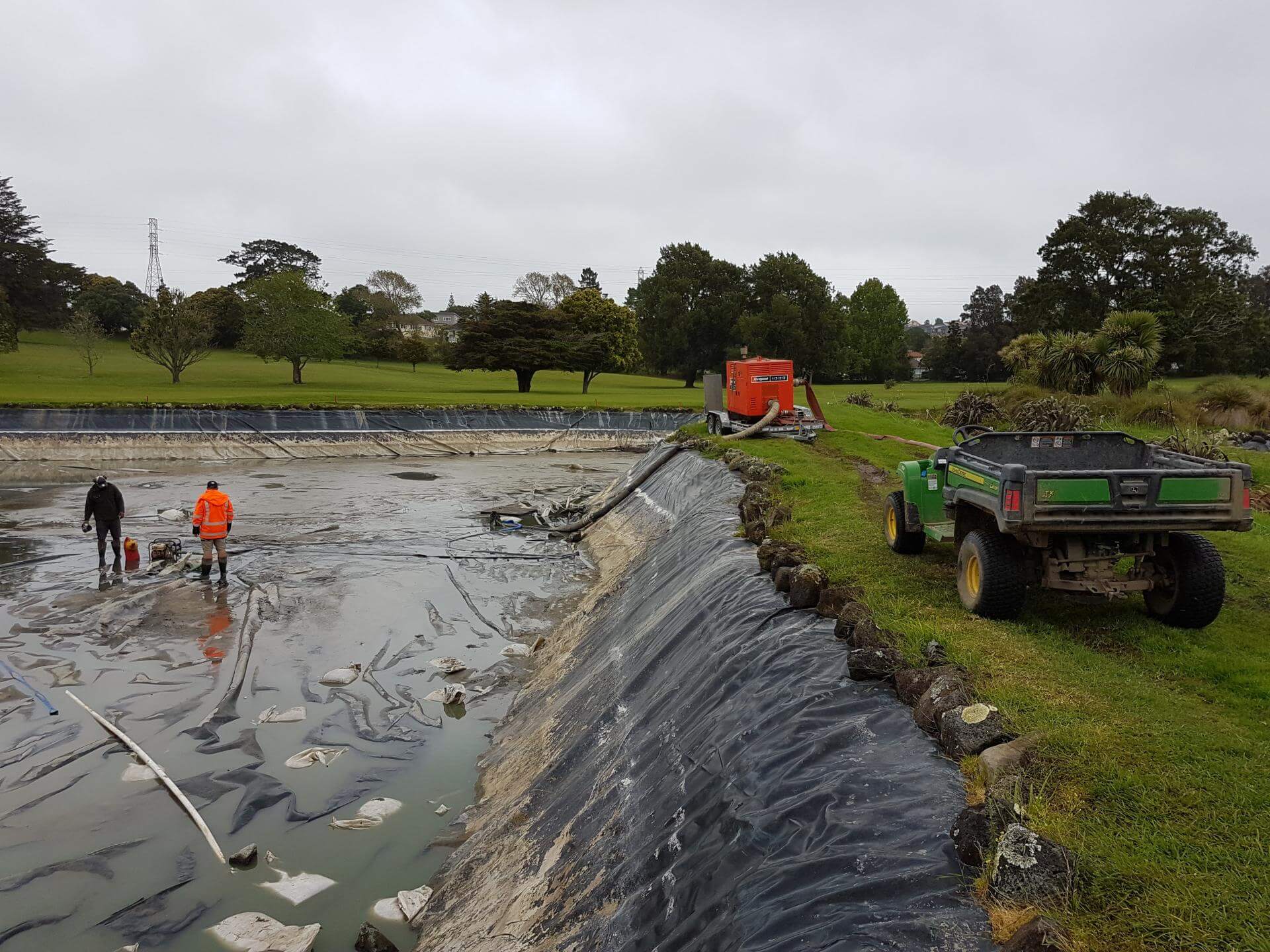
Golf Course Pond Leak Detection in Auckland
Lined ponds pose many challenges once underground loss occurs. Utility Works was contracted to assist with the locating of pond leaks at a large Auckland golf course ahead of the dry summer months, when the irrigation system relied on the water supply. The process involved underwater diving and installation of pipe air bags to block the balance pipe and separate the two ponds, enabling accurate loss calculation, followed by GPR and IR works to determine likely areas of loss. The ponds were pumped out to enable locating of the defects for repair. We also assisted with the irrigation flow and isolation testing during the process.
Read the case study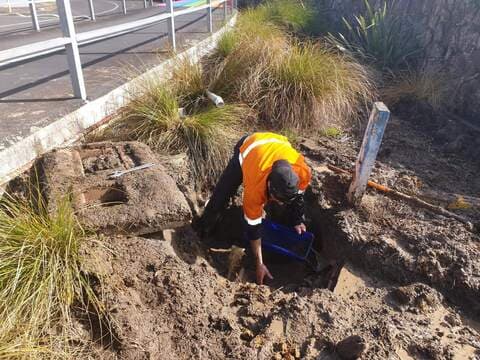
West Auckland
Campus Leak Detection & Repair
After suffering long-term issues with water loss, system configuration and location, Utility Works was engaged to find and repair the leaks at a West Auckland campus. The site spanned over 150 acres with extensive buildings and intertwining historic and modern piping networks. The project involved extensive system isolation and configuration testing, GPR and pipe tracing, re-mapping and full leak detection surveying. Once the losses were located, over 14 underground leaks were excavated and repaired. From initial engagement to completion of the first stage of repairs, the campus saw an 83% reduction in minimum night-flow loss.
Read the case studyWorth a read first
Guides & advice
1–3 of 6
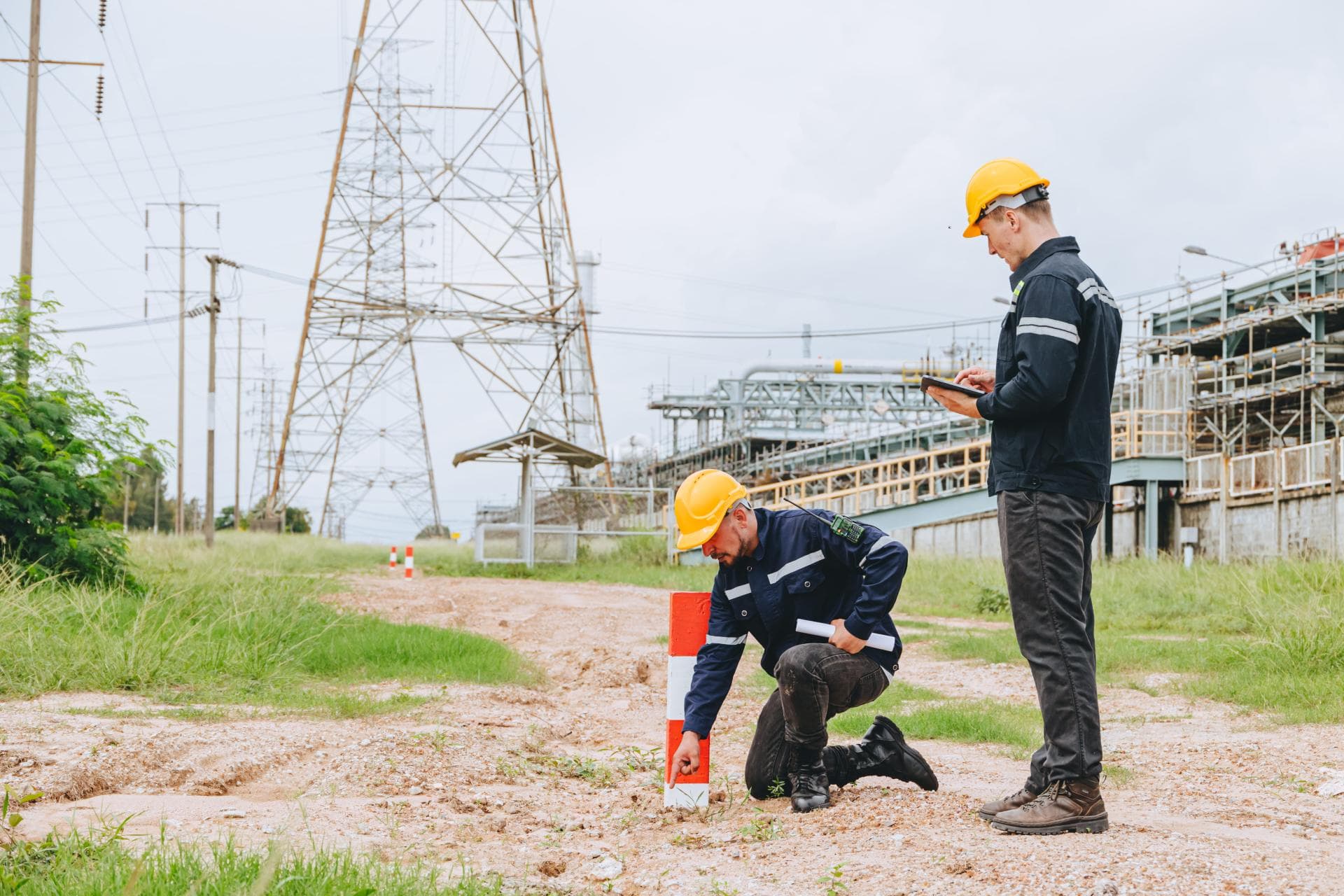
How Accurate Is Ground Penetrating Radar in New Zealand Soil Conditions?
Ground penetrating radar is the tool people ask for when they want to see everything under a site, and it is the one most often oversold. How accurate it is depends almost entirely on what the ground is made of, and New Zealand ground varies from scoria that radar loves to saturated clay and peat that swallow the signal within half a metre. This guide sets out what GPR can realistically find in the soils around Auckland, Franklin, the Waikato and the Hauraki Plains, how accurate the positions and depths are, and how it fits with the other locating methods.
Read the guide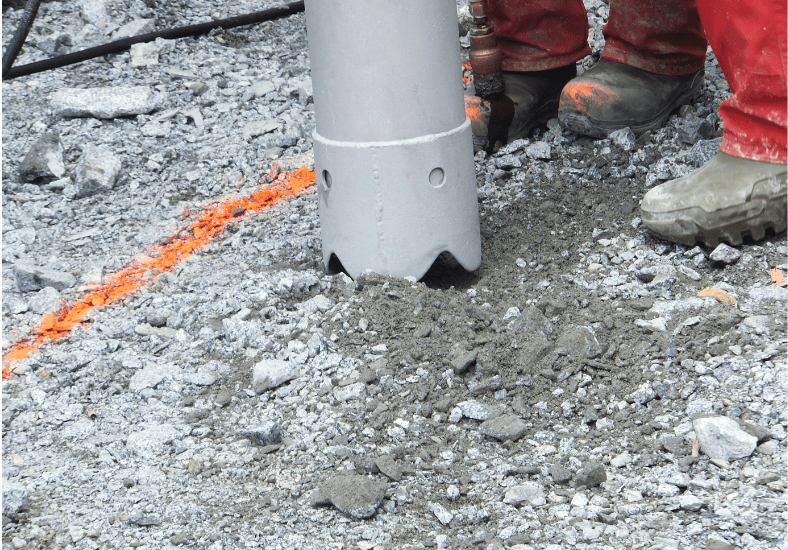
What Is Hydro Vac Potholing? The Safest Way to Expose Underground Services Before You Dig
Confirming where an underground service actually sits is one thing.
Read the guide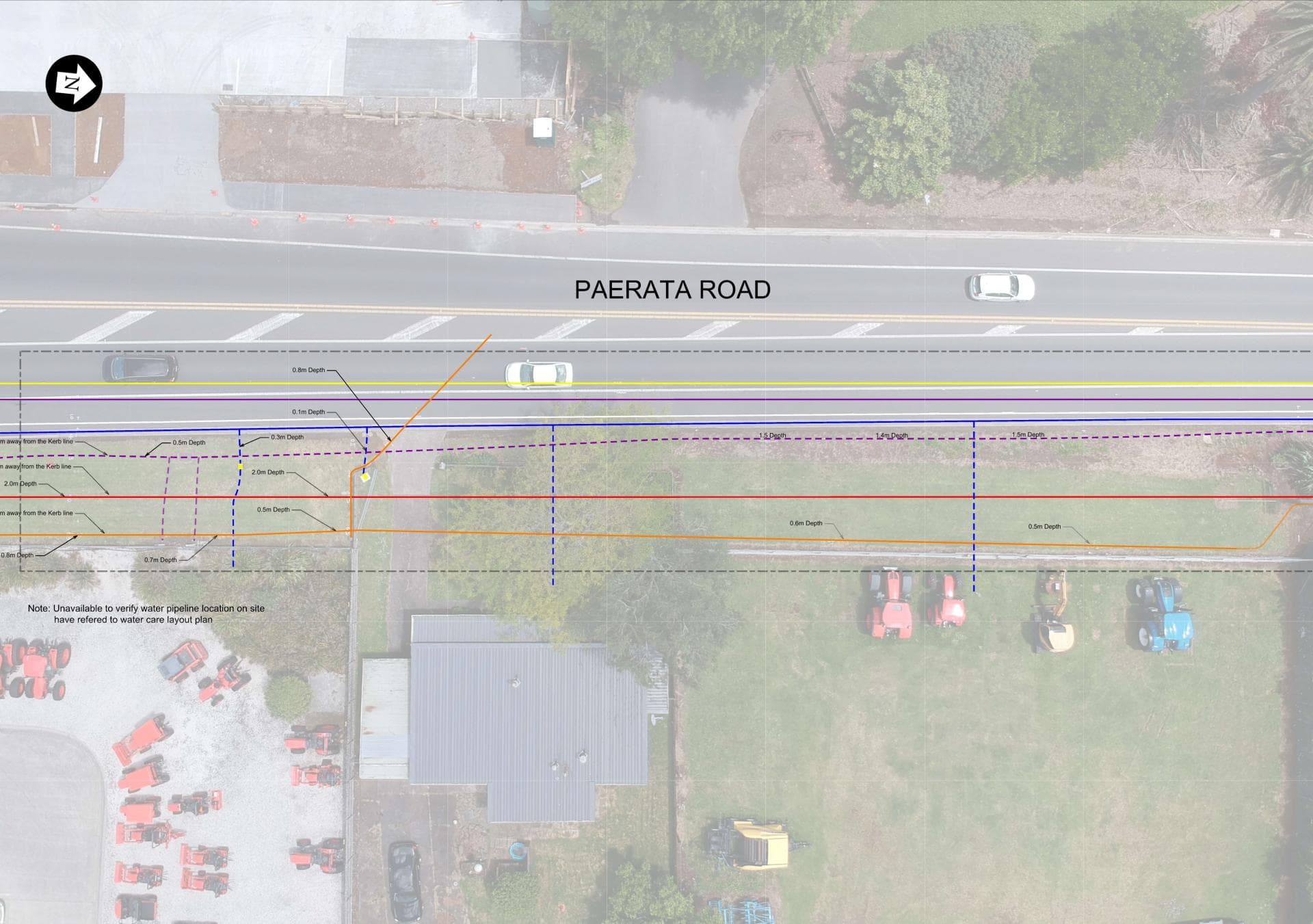
Before You Dig in NZ: What beforeUdig Gives You and What It Doesn't
Everyone planning to dig in New Zealand is told to lodge a beforeUdig enquiry first, and they should. But the plans that come back are a starting point, not a mark-out. This guide explains what beforeUdig actually provides, where its plans fall short on real sites across Auckland and the Waikato, what professional service locating adds, and the sequence that keeps you, your crew and your budget out of trouble.
Read the guideFAQ'S
What can ground penetrating radar detect?
How deep can GPR scanning go?
Do you combine GPR with other locating methods?
Is GPR suitable for all ground types?
Ready when you are.
Tell us what you’re seeing or what you’re planning. You’ll get a straight answer, a free quote and one crew that does the whole job.
Mon–Fri 7am–5pm · Waiau Pa, South Auckland · Auckland, Franklin & North Waikato