
Articles & Advice · 5 June 2025
When And Why To Use GPR Technology For Underground Detection
When And Why To Use GPR Technology For Underground Detection By RAZOR Seo 05/06/2025
Ground Penetrating Radar (GPR) technology is changing the way we approach underground detection. As someone involved in property development, construction, or farming in South Auckland, understanding the benefits of GPR can be quite handy. Instead of digging blindly and hoping for the best, GPR provides a clearer, safer way to identify what lies beneath the surface.
Businesses and landowners are becoming more aware of how useful GPR locators are for managing land and planning projects. With fewer surprises and risks during excavation, this technology offers peace of mind that traditional methods can't always guarantee. In this piece, we will delve into the basics of GPR technology, when it's most beneficial to use, and how it can enhance safety for any project.
What is GPR Technology?
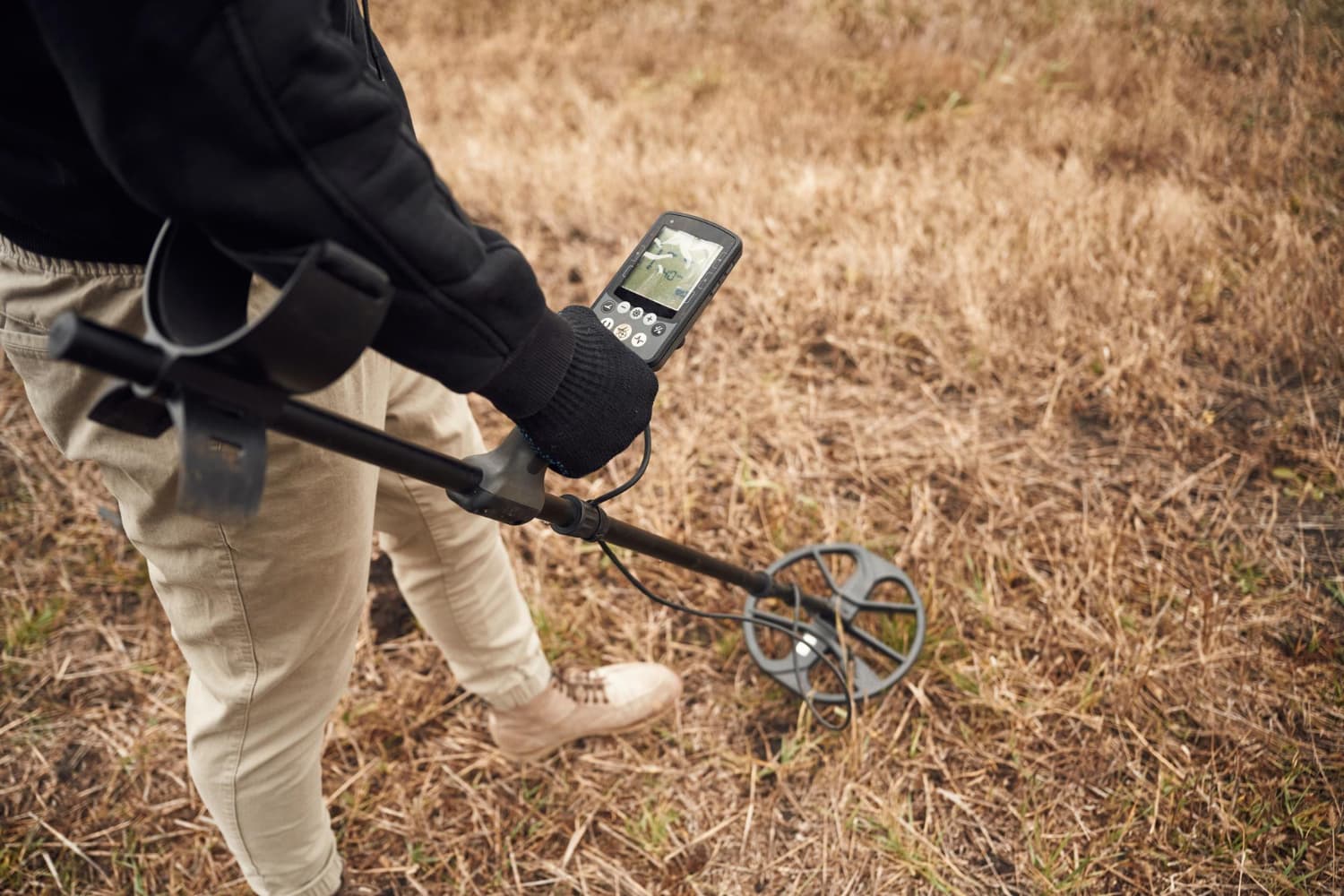
GPR technology uses high-frequency radio waves to detect objects, changes in material, voids, and cracks beneath the ground. Think of it as a high-tech radar system that helps in locating things without the need for drilling or digging. It’s particularly helpful for uncovering the position of pipes, cables, and other utilities buried underground.
GPR locators operate by sending signals into the ground and recording how those signals bounce back. Different materials reflect the signals in unique ways, allowing operators to "see" variations in the subsurface composition. It’s like having a pair of x-ray glasses for the ground! This tool is invaluable in assessing sites before construction or excavation, allowing for smarter decisions about how to proceed with a project.
When to Use GPR for Underground Detection
GPR is especially useful in several scenarios:
- Planning New Construction: Before starting any build, knowing what’s below can prevent costly damage to hidden utilities.
- Detecting Underground Utilities: Water pipes, gas lines, and electrical cables are essential but must be handled with care. GPR lets you find these without disruptive digging.
- Archaeological Surveys: GPR is great for locating ancient structures without disturbing them.
- Assessing Soil Conditions: Knowing about soil composition and stability can help in planning effective foundations.
GPR is often the preferred choice due to its non-invasive nature and the detailed information it provides. It reduces guesswork and can pinpoint locations with high accuracy, saving time and resources in the process. Plus, it’s all done with minimal disruption to the site, meaning less hassle for those involved in the project.
Benefits of GPR Technology
One of the standout benefits of GPR technology is its remarkable accuracy. When locating underground utilities like water pipes and electrical cables, precision is key to avoiding damage. This technology allows you to pinpoint exactly where these utilities lie, avoiding costly mistakes and ensuring smooth progression for your projects. Plus, you get all this information without having to disturb the ground. Just think of the disruption avoided and resources saved when you don't need to start digging multiple trenches to find one cable.
Another reason GPR is valued is its non-invasive nature. Unlike traditional methods, you don’t need to dig up large areas or employ intrusive techniques. Instead, GPR delivers a clear picture of the subsurface, allowing for better management and planning without the hassle of a major excavation. This makes it a sustainable choice, especially in urban environments where disturbances could lead to significant inconvenience.
Moreover, GPR technology is cost-effective. By reducing the need for physical digging and the risk of unintended impacts on existing infrastructure, you save both time and money. It’s much easier to plan and implement solutions when you have a precise map of the land below your feet. The efficiency that GPR brings can streamline any project, giving you more flexibility and control over your operations.
How GPR Technology Enhances Safety
Safety is a big concern when it comes to construction and land management. GPR significantly lowers the risks associated with underground work. By knowing exactly where to dig, you can avoid hitting gas lines, electric cables, and other utilities that might pose a danger if accidentally disturbed. This precision minimizes accidents, keeping both workers and the public safe from potential hazards.
Consider the scenario of a new development in South Auckland. Without GPR, unexpected utilities could lead to delays or, worse, safety incidents. With GPR, however, developers can confidently proceed with construction knowing they have a reliable understanding of the site. This foresight allows for better resource allocation and ensures safety protocols are upheld efficiently.
Utilise GPR Locators for Efficient Underground Detection
As we’ve explored, GPR technology offers numerous advantages. It ensures accurate detection of utilities, minimises disruption through its non-invasive approach, and enhances safety by reducing risks. These factors make it an excellent choice for anyone looking to manage land effectively. Whether you’re developing a new site or simply maintaining existing infrastructure, understanding the lay of the land below can make all the difference.
Project planning and execution become much smoother when you incorporate GPR into your strategy. As developments in areas like South Auckland continue to grow, tools like these are invaluable. Considering all these benefits, it’s clear how GPR can be a game-changer for underground detection needs.
To fully embrace the advantages of precise and efficient underground detection, explore GPR locators with Utility Works. By integrating this advanced technology, you can streamline project planning and ensure safer work environments. Learn more about how GPR can enhance your operations in South Auckland.
Let's discuss your underground project needs. Contact us today for a free, no-obligation quote.
Free, no-obligation quote · Mon–Fri 7am–5pm · Auckland, Franklin & North Waikato