
Articles & Advice · 9 April 2026
Planning Utility Installations for Future EV Chargers & Smart Infrastructure
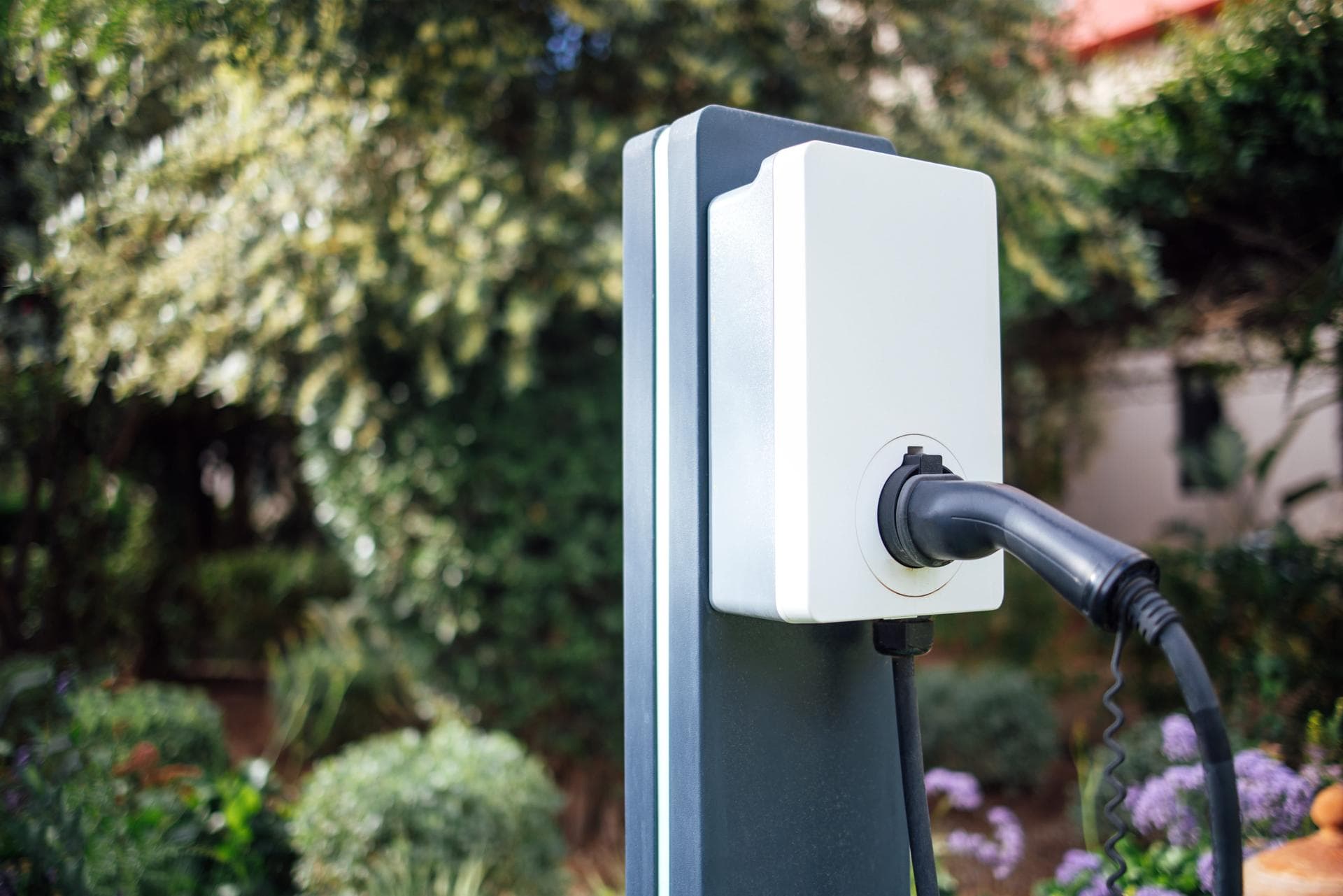
As electric vehicles (EVs), smart metering, and connected technologies become standard across New Zealand, underground utility planning must evolve to keep pace.
As electric vehicles (EVs), smart metering, and connected technologies become standard across New Zealand, underground utility planning must evolve to keep pace. What was sufficient infrastructure five or ten years ago may no longer meet future power and data demands — particularly for residential developments, commercial sites, and body corporates.
At Utility Works, we help clients across Auckland, Franklin, and North Waikato plan underground services installation that supports future EV charging, smart infrastructure, and network upgrades — without the need for costly rework later.
Why Future-Proofing Utilities Matters
Retrofitting underground services is disruptive and expensive. Driveways must be cut, landscaping removed, and surfaces reinstated — often long after a project has been completed.
Planning for future infrastructure from the outset helps to:
- Reduce long-term upgrade costs
- Avoid repeated excavation
- Increase property value and usability
- Support changing technology and regulations
Future-proofing is no longer optional — it’s a practical requirement for modern developments.
The Growing Demand for EV Charging
EV ownership in New Zealand continues to rise, placing new demands on local power infrastructure. Many properties that were designed for basic residential loads are now expected to support:
- Home EV chargers
- Shared chargers for body corporates
- Commercial or fleet charging systems
Without adequate underground planning, upgrading power capacity later can be difficult or impractical.
Key Utility Considerations for EV-Ready Sites
1. Power Capacity and Cable Sizing
EV chargers draw significantly more power than traditional household loads. Planning for larger cable sizes and adequate capacity at installation stage allows for seamless future upgrades.
Even if chargers are not installed immediately, oversizing conduits and ducting provides flexibility.
2. Duct Installation for Future Cabling
Installing spare ducts during initial construction is one of the simplest and most cost-effective future-proofing measures.
Proper duct installation allows:
- Additional power cables to be installed later
- Communications and monitoring cabling to be added
- Minimal disruption during future upgrades
3. Pit Placement and Access
Strategically placed pits make it easier to pull new cables, upgrade services, or install monitoring equipment without large-scale excavation.
This is particularly important for:
- Apartment complexes
- Commercial sites
- Body corporate-managed properties
4. Communications & Smart Infrastructure
EV chargers, smart meters, and building management systems often rely on data connections. Planning for fibre and communications ducting alongside power infrastructure ensures compatibility with future smart systems.
Applications Beyond EV Charging
Future-proof underground utilities also support:
- Smart metering and energy monitoring
- Solar and battery storage systems
- Automated irrigation or water monitoring
- Building management and security systems
By coordinating utilities early, these technologies can be integrated smoothly as needs evolve.
Common Mistakes That Limit Future Upgrades
Utility Works frequently encounters sites where future upgrades are difficult due to:
- Ducting sized only for current needs
- No spare conduits installed
- Poor pit placement
- Inadequate separation between services
These limitations often result in unnecessary excavation and additional costs later.
Planning Utilities for Different Property Types
Residential Developments
Installing spare ducts and allowing for increased power demand ensures homes can support EV charging without major upgrades.
Body Corporates & Multi-Unit Sites
Shared infrastructure planning is critical. Coordinated underground services allow chargers to be added progressively without disrupting residents.
Commercial & Industrial Sites
Fleet charging and smart systems require robust, scalable infrastructure — best achieved through early planning.
Regional Considerations Across Auckland, Franklin & North Waikato
- Auckland: Higher EV adoption and dense developments increase demand for future-ready infrastructure
- Franklin: Lifestyle and semi-rural properties benefit from flexible power planning
- North Waikato: Larger sites allow early infrastructure planning to avoid later disruption
Utility Works tailors solutions to suit local conditions and development types.
How Utility Works Helps Future-Proof Infrastructure
Utility Works provides:
- Underground utility planning and installation
- Power and communications ducting
- Pit installation and service coordination
- Integration with existing and future services
By combining technical expertise with practical foresight, we help clients install infrastructure that adapts as technology changes.
Plan Once — Upgrade Easily
Future-proofing underground utilities is about planning smarter today to avoid costly changes tomorrow. Whether you’re building, developing, or upgrading a property, early consideration of EV and smart infrastructure makes long-term sense.
Contact Utility Works to discuss future-ready underground utility installation across Auckland, Franklin, and North Waikato.
We’ll help ensure your infrastructure is built for what’s next — not just what’s now.
Frequently Asked Questions
Do I need to install EV chargers immediately to future-proof utilities?
No. Installing spare ducts and allowing for power capacity now makes future charger installation far easier.
Is future-proofing utilities expensive?
Adding ducts and planning capacity during construction is relatively low cost compared to retrofitting later.
Can existing properties be future-proofed?
Yes, but it often requires additional excavation. Early planning on new projects is more cost-effective.
Do smart systems require additional underground services?
Often, yes. Data and control cabling is commonly required alongside power infrastructure.
Should body corporates plan for shared EV charging now?
Yes. Planning shared infrastructure early avoids disputes, access issues, and costly upgrades later.
Let's discuss your underground project needs. Contact us today for a free, no-obligation quote.
Free, no-obligation quote · Mon–Fri 7am–5pm · Auckland, Franklin & North Waikato