
Articles & Advice · 10 July 2025
Identifying Hidden Objects During Subsurface Detection
Subsurface detection is a fascinating field that plays a critical role in managing land and construction projects.
Subsurface detection is a fascinating field that plays a critical role in managing land and construction projects. Imagine wanting to build a new structure in South Auckland and needing to know what's hidden beneath the soil. Whether it's pipelines, old foundations, or other unseen objects, identifying these components beforehand can save a lot of headaches later on. The ability to spot buried items not only helps in planning but also protects workers and ensures smoother project execution.
Thinking about South Auckland, with its unique landscape and infrastructure, makes subsurface detection even more relevant. With urban growth and new developments constantly on the horizon, knowing what lies beneath the ground is essential for safe and sound project progress. This process prevents accidental damage to existing utilities and infrastructure. It’s akin to having a roadmap that shows you all the hidden pitfalls before you begin your journey.
Understanding Subsurface Detection
When we talk about subsurface detection, we refer to a set of techniques designed to locate objects buried underground without having to dig them up first. It’s like having X-ray vision for the earth below. Professionals use these methods to avoid obstacles during construction and to understand the underground layout better.
There are several technologies commonly employed in subsurface detection:
- Ground-Penetrating Radar (GPR): GPR uses radar pulses to image the subsurface. It works well for detecting a variety of objects, including pipes and tanks, by transmitting waves that bounce back and reveal what lies underground.
- Electromagnetic Location (EML): This method helps find metallic items by sending signals that vibrate when hitting metal. It’s an excellent technique for spotting electrical cables and metallic pipelines.
- Acoustic Methods: These involve listening for echoes from sound waves, particularly useful in detecting certain utilities or voids in the ground.
These tools offer a non-invasive way to get the information necessary for construction and excavation projects. Each tool has its strengths and best practices, depending on what one needs to find.
Detecting hidden objects isn’t just about finding pipelines or cables. It can unearth historical artifacts, reveal natural formations, and even indicate environmental concerns, like groundwater paths or former waste deposits. For instance, detecting a long-forgotten waste site can prevent potential contamination issues or regulatory setbacks down the road.
In South Auckland, where diversity in land use is pretty common, subsurface detection also helps with urban planning, site assessments, and environmental studies. This practice ensures that the range of development activities continues smoothly while minimising the risk of unexpected surprises. Such comprehensive understanding and careful handling make these not-so-visible elements a vital part of managing land development effectively.
Steps for Effective Subsurface Detection
Effectively identifying hidden objects underground begins with proper planning and preparation. This phase is crucial to determine which areas require scanning and what methods would yield the best results. It’s like drawing a treasure map before setting out to find what’s buried. By understanding the land's history and current use, one can tailor the approach to suit specific needs.
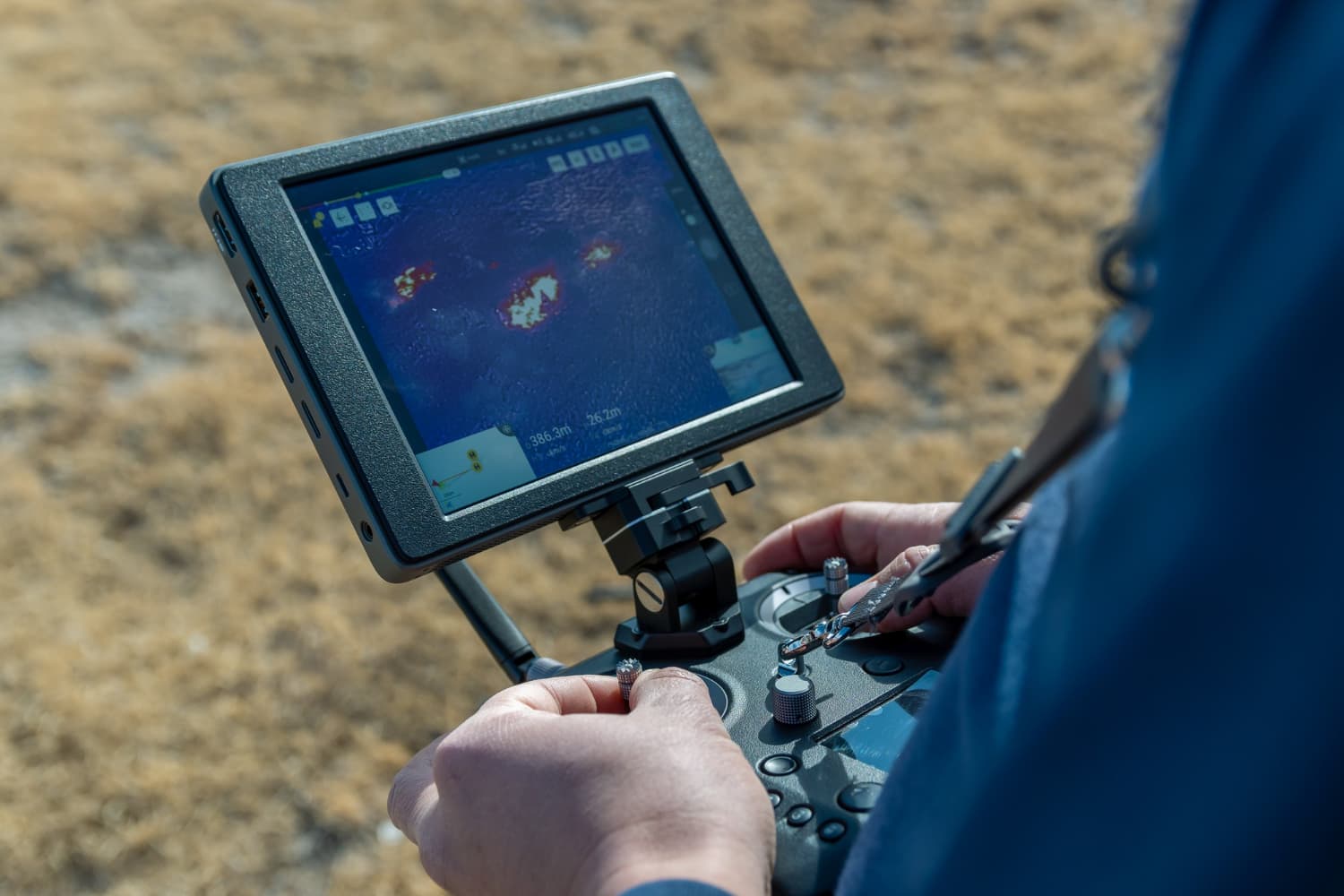
Once everything is set, executing the detection procedures is the next vital step. Equipped with the right gear, experts conduct scans or surveys to pinpoint anomalies or specific objects beneath the surface. This stage is where technology meets on-the-ground expertise. The tools previously mentioned, like GPR and EML, come in handy, revealing hidden layers without disruption.
After gathering the data, a thorough review and analysis of the findings wraps up this process. Imagine piecing together a picture from various puzzle parts. Experts interpret the data, mapping the detected objects, which then guides construction or further exploration plans. This step ensures a clearer understanding of the subsurface and minimizes surprises during excavation.
Benefits of Professional Subsurface Detection Services
Engaging professionals for subsurface detection offers multiple benefits that go beyond just spotting hidden components. Ensuring safety by preventing accidents is perhaps the most immediate advantage. Knowing where utilities and other hazards lie helps in strategizing the project effectively, keeping workers safe and avoiding costly mishaps.
Additionally, professional services provide accurate mapping and documentation. This information is invaluable for current and future projects, offering a reliable reference point. Think of it as having a detailed map that can be used again and again, each time a new plan is set in motion.
Finally, these services enhance efficiency in project planning. With all information at hand, potential delays caused by unforeseen underground issues are minimized. For those managing large-scale developments in South Auckland, this means smoother transitions from planning to execution. Thus, investing in professional detection not only saves time but also enhances the overall success of any project.
Maximising the Benefits of Subsurface Detection
Understanding how subsurface detection can aid in project management is key to leveraging its full advantage. By incorporating detailed underground information into planning stages, developers can make informed decisions that impact timelines and budgets positively. This foresight reduces the need for last-minute changes and adjustments.
Moreover, the insights gained from detection processes offer long-term benefits for site maintenance and future planning. Regular assessment means continually having updated maps and data, making it easier to manage sites over time. This ongoing reliability ensures that as the needs of a property or project evolve, the groundwork is already laid for swift adaptability.
Subsurface detection also allows developers to prepare for changes in regulations or environmental considerations, staying ahead of compliance needs. This proactive stance is crucial in regions like South Auckland, where land is both a resource and a responsibility, helping maintain the balance between development and sustainability.
To optimise your construction and development projects in South Auckland, it’s wise to fully explore the benefits of subsurface detection. With Utility Works, you gain access to expert knowledge and state-of-the-art technology, ensuring each project runs smoothly and efficiently. Don’t let hidden obstacles hold you back – connect with us today to learn how we can support your success.
Let's discuss your underground project needs. Contact us today for a free, no-obligation quote.
Free, no-obligation quote · Mon–Fri 7am–5pm · Auckland, Franklin & North Waikato