
Articles & Advice · 12 February 2026
Why Poor Duct Installation Causes Future Fibre & Power Failures
Ducting plays a critical but often overlooked role in underground utility infrastructure.
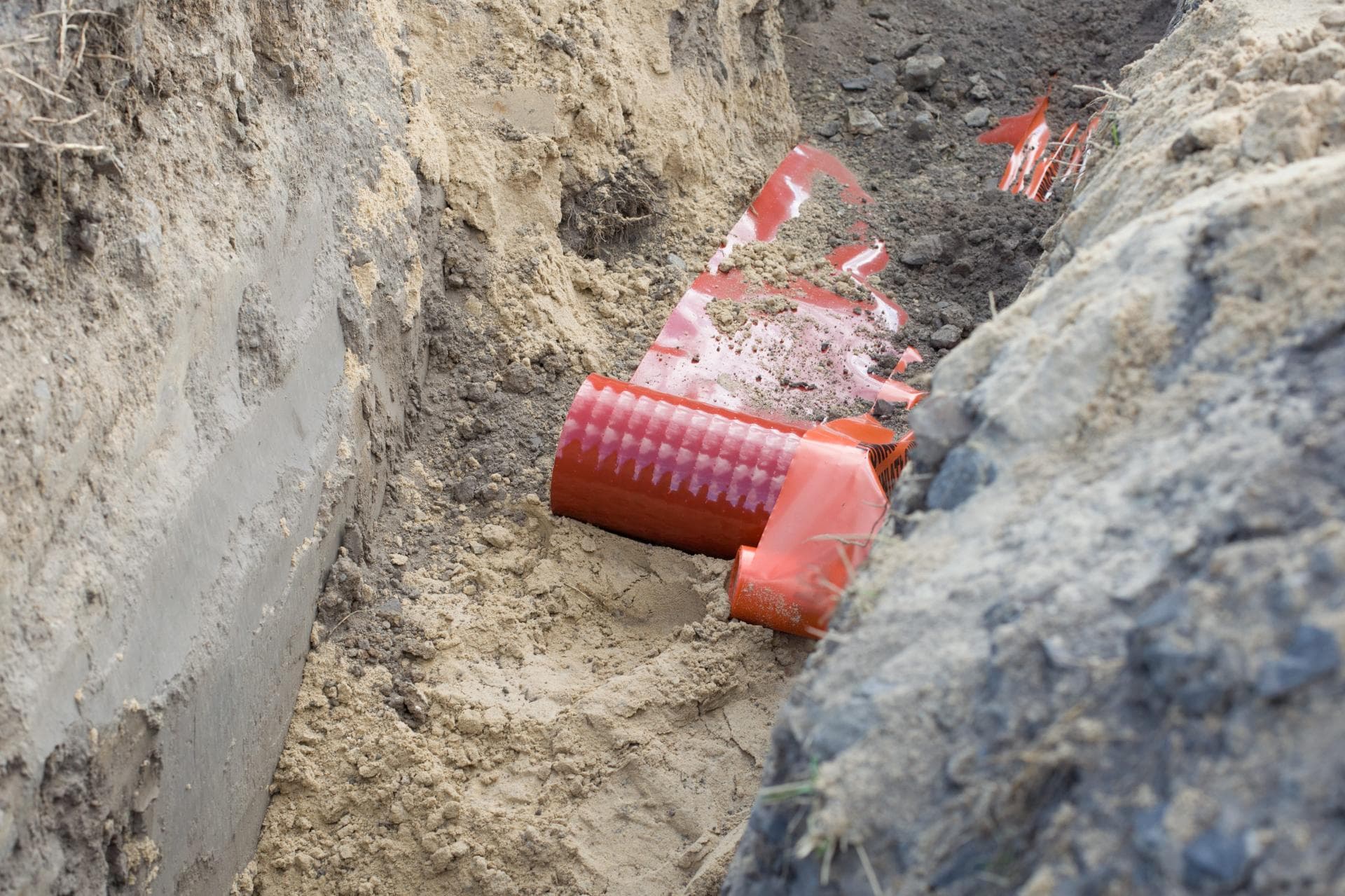
Ducting plays a critical but often overlooked role in underground utility infrastructure. While cables and pipes carry the service, it is the duct installation that protects those assets over their entire lifespan. When ducting is poorly designed or incorrectly installed, the result can be premature service failure, restricted upgrades, and costly rework.
At Utility Works, we regularly see issues caused by substandard ducting on residential, commercial, and subdivision sites across Auckland, Franklin, and North Waikato. Understanding why duct quality matters - and how failures occur - helps property owners and developers avoid long-term problems.
What is Underground Ducting?
Underground ducting consists of protective conduits installed below ground to house services such as:
- Electrical cables
- Fibre and communications lines
- Control wiring and sensors
Ducts protect services from physical damage, moisture ingress, and soil movement. They also allow cables to be replaced or upgraded without re-excavating the ground.
Why Duct Installation Quality Matters
Correct duct installation ensures:
- Long-term protection of cables
- Easy access for future maintenance or upgrades
- Compliance with utility provider standards
- Reduced risk of service interruption
Poor ducting, by contract, can restrict cable movement, trap water, or collapse under load - all of which compromise service reliability.
Common Duct Installation Problems
1. Inadequate Duct Size
One of the most common issues is ducting that is too small for the installed cable or future capacity needs. Tight ducts increase friction, making cable installation difficult and increasing the risk of damage during pulling.
This is particularly problematic for fibre duct installation, where tight bends or insufficient diameter can prevent future upgrades.
2. Incorrect Duct Alignment and Bends
Ducts must follow smooth, gradual curves. Sharp bends or poor alignment can:
- Prevent cable installation
- Increase stress on cables
- Cause long-term insulation damage
Correct installation requires careful planning and adherence to minimum bend radius requirements.
3. Poor Jointing and Sealing
Improperly joined duct sections allow water, silt, and debris to enter the system. Over time, this leads to:
- Water pooling inside ducts
- Cable corrosion or degradation
- Blockages that prevent cable replacement
Sealed joints and correct duct end protection are essential, particularly in Auckland's wet conditions.
4. Inadequate Burial Depth or Protection
Shallow ducting or insufficient bedding leaves ducts vulnerable to crushing from vehicle loads, soil movement, or future excavation. Once crushed, ducts often become unusable.
Correct depth and protective bedding are critical for long-term durability.
5. Poor Pit Placement
Ducting systems rely on duct and pit installation working together. Without pits at appropriate intervals or changes in direction, accessing or upgrading services becomes difficult and expensive.
Best Practice for Duct Installation and Future-Proofing
Utility Works follows proven best practices to ensure ducting performs over the long term:
- Correct duct sizing for current and future services
- Smooth alignment with compliant bend radius
- Watertight joints and end caps
- Appropriate burial depth and bedding
- Strategic pit placement for access and maintenance.
Whether your evolving infrastructure includes scalable power, fibre, or EV charging capabilities in the future, our approach ensures underground services remain accessible, reliable, and upgrade-ready.
Regional Experience Across Auckland, Franklin, and North Waikato
Different regions present different challenges:
- Auckland sites often involve tight access and heavy surface loading
- Franklin properties may combine residential and rural ducting requirements
- North Waikato sites often require longer duct runs and robust protection
Utility Works’ local experience ensures ducting systems are designed and installed to suit site conditions and long-term use.
Protect Your Underground Services from the Start
If you’re planning new underground utilities or upgrading existing infrastructure, don’t underestimate the importance of quality ducting.
Contact Utility Works to discuss professional duct installation across Auckland, Franklin, and North Waikato, and ensure your power and fibre services remain reliable for years to come.
Frequently Asked Questions
Can poor duct installation really cause power failures?
Yes. Crushed ducts, water ingress, or tight bends can damage cable insulation over time, leading to outages.
Is ducting required for fibre installation?
In most modern developments, yes. Fibre providers typically require compliant ducting for installation and future upgrades.
How deep should underground ducting be installed?
Depth varies by service and location, but ducting is typically installed between 450mm and 900mm below ground, depending on requirements.
Can old ducting be reused for new services?
Only if it is correctly sized, undamaged, and free of obstructions. Professional inspection is recommended.
Why are pits important in ducting systems?
Pits provide access points for pulling, inspection, and maintenance. Without them, servicing underground cables becomes far more difficult.
Let's discuss your underground project needs. Contact us today for a free, no-obligation quote.
Free, no-obligation quote · Mon–Fri 7am–5pm · Auckland, Franklin & North Waikato