
Articles & Advice · 13 August 2026
Acoustic Leak Detection Explained: How We Find Water Leaks Without Digging Up Your Property
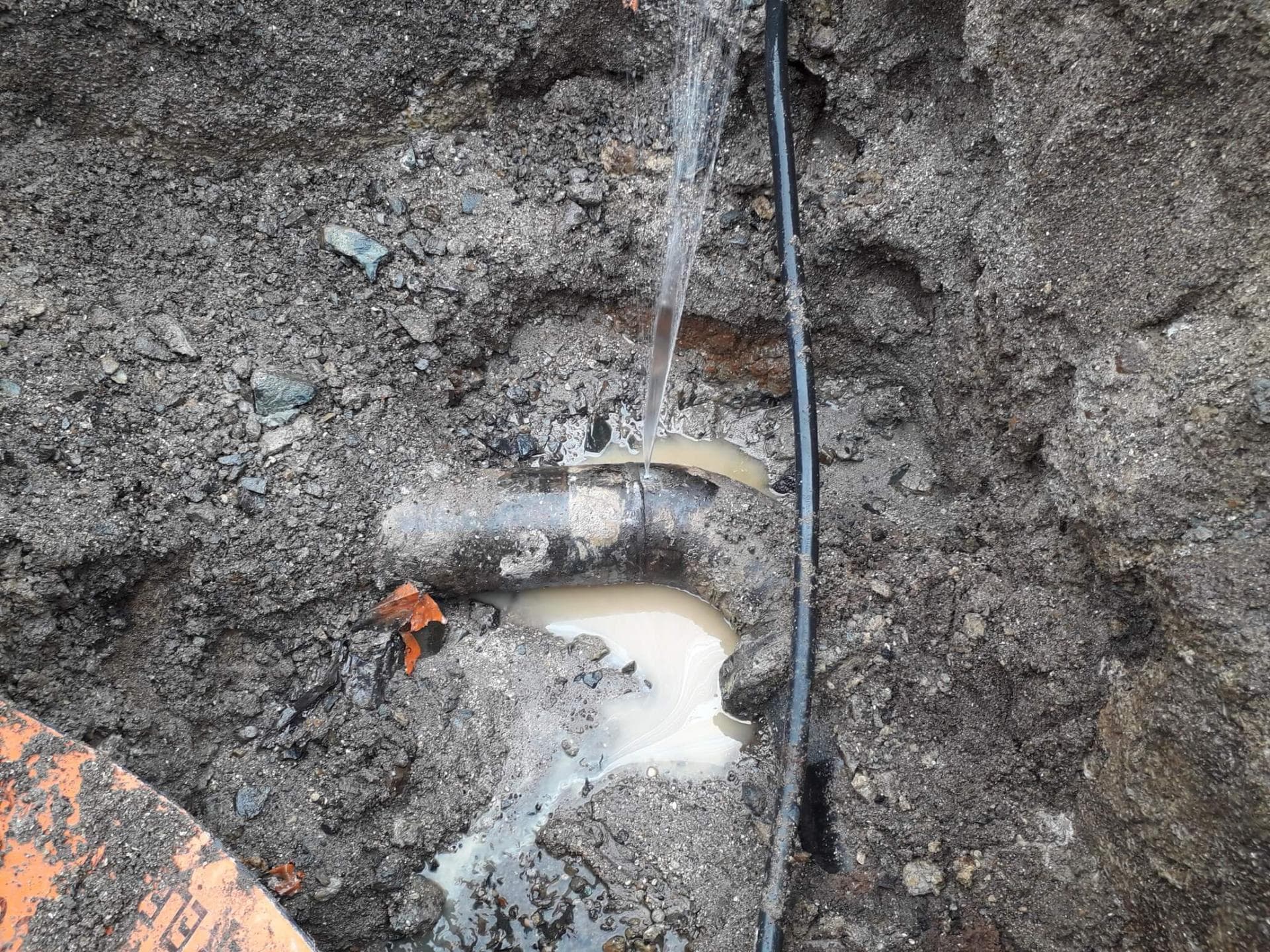
A water leak underground doesn't always show itself. There's no puddle on the surface, no obvious wet patch — just a rising water bill and a nagging feeling that something isn't right.
A water leak underground doesn't always show itself. There's no puddle on the surface, no obvious wet patch — just a rising water bill and a nagging feeling that something isn't right. Acoustic leak detection is how we find that leak without turning your property into a construction site to look for it.
At Utility Works, acoustic leak detection is usually our first step whenever a customer suspects a water leak in Auckland, Franklin, or North Waikato. This guide explains how the technology works, what it can and can't tell us, and why it's such a valuable starting point.
What Is Acoustic Leak Detection?
Acoustic leak detection is a method of finding underground water leaks by listening for the sound they make. A leak under pressure creates a distinct noise as water escapes through a crack, joint, or hole in a pipe — and specialised equipment can pick up that sound even through soil, concrete, or paving.
This means a leak can often be located without any excavation at all, which is a significant advantage over guessing where a problem might be and digging until you find it.
How Does Acoustic Leak Detection Work?
The process relies on sound correlation and ground microphone technology, and typically follows these steps:
- Initial assessment of the property, water usage patterns, and pipe layout
- Ground microphone survey, listening at multiple points across the suspected pipe route
- Sound correlation, using two sensors placed on the pipe (often at valves or access points) to compare the timing of the leak sound and calculate its exact position
- Confirming the leak location by cross-referencing readings with the pipe route and any other detection methods used
- Marking the site, ready for excavation and repair
Because leaks produce a specific type of sound as water escapes under pressure, trained technicians and calibrated equipment can pinpoint a location often within a very small margin, without needing to dig first.
What Can Acoustic Leak Detection Find?
Acoustic leak detection is effective for a wide range of underground water leak scenarios, including:
- Water mains leaks, on both the network side and private property connections
- Leaks under paving, driveways, or concrete, where visual inspection isn't possible
- Leaks in irrigation and reticulation systems, including farm and lifestyle block setups
- Pre-purchase or insurance investigations, where a leak is suspected but not yet confirmed
It's particularly valuable in situations where excavating to search for a leak would be expensive, disruptive, or simply impractical, such as under an established driveway or a commercial property's paved courtyard.
Why Acoustic Detection Is Usually the First Step
When a leak is suspected, it's tempting to want to get straight to digging and fixing the problem. But without confirming an exact location first, that often means guessing — and guessing wrong can mean multiple excavations, more disruption, and a higher overall cost.
Acoustic leak detection gives us:
- A specific location to excavate, rather than a general area
- Confidence that we're addressing the actual source, not just a symptom
- A less invasive process overall, since only the confirmed leak site needs to be dug up
- A faster path to repair, because the investigation phase doesn't involve exploratory digging
This is why it's often paired with other methods, like pipe tracing, to build a complete picture before any ground is disturbed.
When Acoustic Detection Is Combined With Other Methods
While acoustic leak detection is highly effective on its own, some situations benefit from combining it with complementary techniques:
- Pipe tracing, to confirm the exact route of a pipe before correlating leak sounds along it
- Ground penetrating radar, where pipe depth or material makes acoustic detection more difficult
- Pressure testing, to help isolate which section of a system a leak sits within before detailed detection begins
Our technicians assess each site and choose the right combination of methods, rather than applying a single approach to every job.
Signs You Might Have an Underground Water Leak
You don't need to already suspect an exact leak location to benefit from acoustic detection. Common signs worth investigating include:
- An unexplained rise in your water bill
- A hissing or running water sound with no obvious source
- Damp or unusually green patches in the lawn or garden with no clear cause
- Reduced water pressure without an obvious explanation
If any of these sound familiar, it's worth getting a professional assessment before the issue grows into a larger repair.
Get Your Water Leak Located Without the Guesswork
Acoustic leak detection takes the guesswork out of finding an underground water leak, saving you from unnecessary digging and getting you straight to an accurate repair. It's a non-invasive first step that works for homes, farms, and commercial properties alike.
If you suspect a water leak anywhere in Auckland, Franklin, or North Waikato, get in touch with the Utility Works team for an acoustic leak detection assessment.
Frequently Asked Questions
How does acoustic leak detection work?
Acoustic leak detection uses ground microphones and sound correlation technology to listen for the noise a leak makes as water escapes under pressure, allowing technicians to pinpoint the location without excavation.
Can acoustic leak detection find leaks under concrete or paving?
Yes. One of the main advantages of acoustic leak detection is that it can locate leaks beneath driveways, paving, and concrete without needing to break through the surface first.
Is acoustic leak detection accurate?
When carried out by trained technicians with calibrated equipment, acoustic leak detection can pinpoint a leak's location to a small margin, significantly narrowing down where excavation is needed.
What are the signs I might have an underground water leak?
Common signs include an unexplained rise in your water bill, a hissing or running water sound, unusually damp or green patches in the garden, and reduced water pressure.
Does acoustic leak detection work on rural or farm water systems?
Yes, it's commonly used on farm reticulation and irrigation systems, as well as residential and commercial properties, to locate leaks without disturbing large areas of land.
Let's discuss your underground project needs. Contact us today for a free, no-obligation quote.
Free, no-obligation quote · Mon–Fri 7am–5pm · Auckland, Franklin & North Waikato