
Articles & Advice · 20 August 2026
What Happens After Your Water Leak Is Found? Leak Excavation & Repair in Auckland
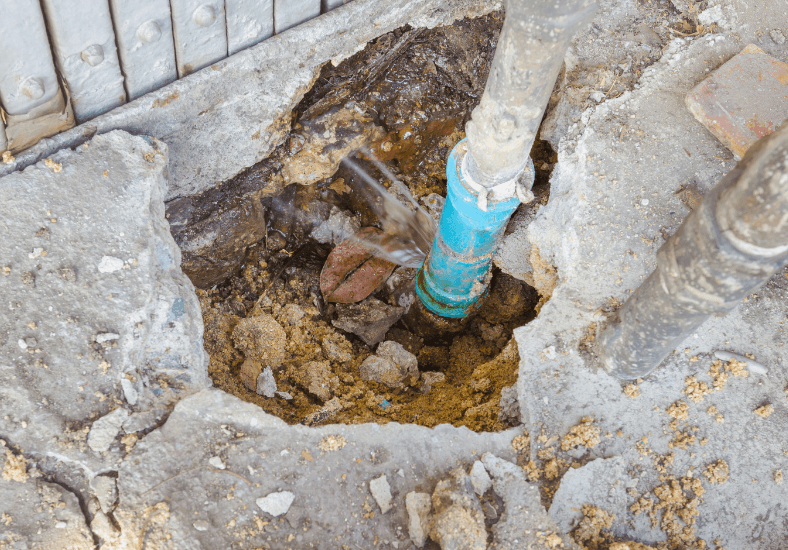
Finding a leak is only half the job. Once the exact location has been confirmed, there's still a process to get through before your water system is fixed and your property is back to normal.
Finding a leak is only half the job. Once the exact location has been confirmed, there's still a process to get through before your water system is fixed and your property is back to normal. Knowing what to expect at this stage helps take the stress out of what can otherwise feel like an open-ended process.
At Utility Works, we handle the full journey from detection through to leak excavation and repair for properties across Auckland, Franklin, and North Waikato. This guide walks through what actually happens once a leak has been found.
From Detection to Repair: The Full Journey
Leak detection and leak repair are often treated as two separate things, but they're really two parts of the same process. Once acoustic leak detection or another method has confirmed a leak's location, the next phase begins:
- Confirming the exact excavation point, based on the detection findings
- Assessing the safest and least disruptive way to access the pipe
- Excavating, typically using hydro vac excavation near sensitive infrastructure
- Repairing or replacing the damaged section of pipe
- Testing the repair to confirm the leak is fully resolved
- Reinstating the site, restoring the area to its original condition where possible
Understanding this sequence helps set realistic expectations for both timeframe and disruption.
Why Hydro Vac Excavation Is Often Used
Once a leak location is confirmed, digging near it needs to be done carefully, especially if there are other underground services nearby. Hydro vac excavation (vacuum excavation) uses pressurised water and suction to expose the pipe without the risk that comes with mechanical digging.
This method is particularly valuable because it:
- Reduces the risk of damaging nearby services while exposing the leak
- Creates a smaller excavation footprint than traditional digging in many cases
- Allows for precise, controlled access to the exact repair point
For properties with multiple underground services running close together, this precision can make a meaningful difference to how much disruption the repair causes.
What Repair Methods Are Used?
The right repair approach depends on the type of leak, the pipe material, and its condition overall. Common methods include:
- Section replacement, where a damaged length of pipe is cut out and replaced
- Fitting repairs, where the leak is at a joint, valve, or connection point rather than the pipe itself
- Full pipe replacement, in cases where the pipe has multiple weak points or is significantly aged
Our team assesses the pipe's condition once it's exposed and recommends the most durable, cost-effective option rather than a quick fix that risks recurring issues.
What to Expect in Terms of Timeframe
Timeframes vary depending on the scale of the leak, site access, and how much reinstatement is required afterward. As a general guide:
- Straightforward residential repairs can often be completed within a day once excavation begins
- More complex repairs, such as those involving multiple leak points or difficult access, may take longer
- Reinstatement work, like relaying lawn, paving, or driveway surfaces, can add additional time depending on the extent of the excavation
We always aim to give property owners a clear timeframe estimate once the leak location and repair scope are confirmed on site.
What to Expect in Terms of Disruption
Understandably, one of the biggest concerns for homeowners and body corporates is how much disruption the process will cause. In most cases:
- Water supply may need to be temporarily shut off during the repair
- Access to the excavation area will be restricted for safety during the works
- Noise and equipment will be present on site during excavation and repair
- Reinstatement brings the site back to its prior condition, though newly disturbed ground (like lawn) may take some time to fully recover
We work to minimise disruption wherever possible, particularly for body corporates and commercial properties where multiple parties are affected by any supply interruption.
Leak Excavation and Repair for Body Corporates and Commercial Properties
Shared water systems bring added complexity, since a leak repair can affect multiple units or tenancies at once. For body corporates and commercial property managers, this typically means:
- Coordinating supply interruptions with clear communication to affected parties
- Scheduling works to minimise disruption to business operations or residents
- Providing documentation of the repair for the body corporate or property management records
Clear communication throughout the process matters as much as the technical repair itself when multiple stakeholders are involved.
Reinstatement: Getting Your Property Back to Normal
Once the repair is tested and confirmed, reinstatement is the final step. Depending on what was disturbed during excavation, this can include:
- Backfilling and compacting the excavation area
- Relaying paving, driveway surfaces, or concrete
- Reseeding or relaying lawn areas
Where possible, we aim to leave the site as close as possible to how it looked before the leak was ever found.
Get Your Leak Resolved With Confidence
Once a leak has been detected, the excavation and repair process doesn't need to be a mystery. With the right approach, it's a structured process from confirming the exact location through to reinstating your property, with clear expectations set at every stage.
If you've had a leak detected and need it excavated and repaired anywhere in Auckland, Franklin, or North Waikato, get in touch with the Utility Works team.
Frequently Asked Questions
What happens during leak excavation and repair?
Once a leak's location is confirmed, the process typically involves careful excavation (often using hydro vac methods), repairing or replacing the damaged pipe section, testing the repair, and reinstating the site.
Why is hydro vac excavation used for leak repairs?
Hydro vac excavation uses pressurised water and suction to expose pipes without the risk of damaging nearby underground services, making it a safer and more precise option than traditional digging.
How long does leak excavation and repair take?
Straightforward residential repairs can often be completed within a day once excavation begins, though more complex repairs or extensive reinstatement work may take longer.
Will my water be turned off during a leak repair?
In most cases, water supply is temporarily shut off during the repair to allow safe access to the damaged pipe section, with supply restored once the repair is complete.
Does leak repair include restoring my lawn or driveway afterward?
Yes, reinstatement is part of the process and typically includes backfilling, relaying paving or driveway surfaces, and restoring lawn areas disturbed during excavation.
Let's discuss your underground project needs. Contact us today for a free, no-obligation quote.
Free, no-obligation quote · Mon–Fri 7am–5pm · Auckland, Franklin & North Waikato