
Articles & Advice · 29 January 2026
Boundary to Building Connections: What Property Owners Often Overlook
When connecting utilities to a property, one of the most misunderstood stages is the boundary to building connection.
When connecting utilities to a property, one of the most misunderstood stages is the boundary to building connection. Many property owners assume utilities are fully handled once services reach the property boundary, only to discover later that the final connection to the building is their responsibility.
Across Auckland, Franklin, and North Waikato, Utility Works regularly assists homeowners, developers, and property managers with boundary to building connections for power, water, and communications. Understanding how this part of the process works - and what’s often overlooked - can prevent delays, compliance issues, and unexpected costs.
What is a Boundary to Building Connection?
A boundary to building connection refers to the section of underground utility infrastructure that runs from the legal property boundary to the building itself.
This typically includes:
- Underground power cables
- Water supply pipes
- Communications and fibre ducting
While utility providers usually supply services up to the boundary, everything beyond that point is commonly the property owners responsibility.
Why Boundary Connections are Often Overlooked
Boundary to building works are frequently missed during planning because:
- They occur after subdivision or service approval
- They are not always included in build contracts
- Responsibilities between utility providers and owners are unclear
- Costs are underestimated or not budgeted for
This can result in construction delays, last-minute trenching, or compliance issues just before occupancy.
Common Services Involved
Underground Power Connections
Power must be safely routed from the boundary pillar or meter location to the building’s switchboard. This requires compliant trenching, duct installation, and coordination with a registered electrician.
Water Mains Connections
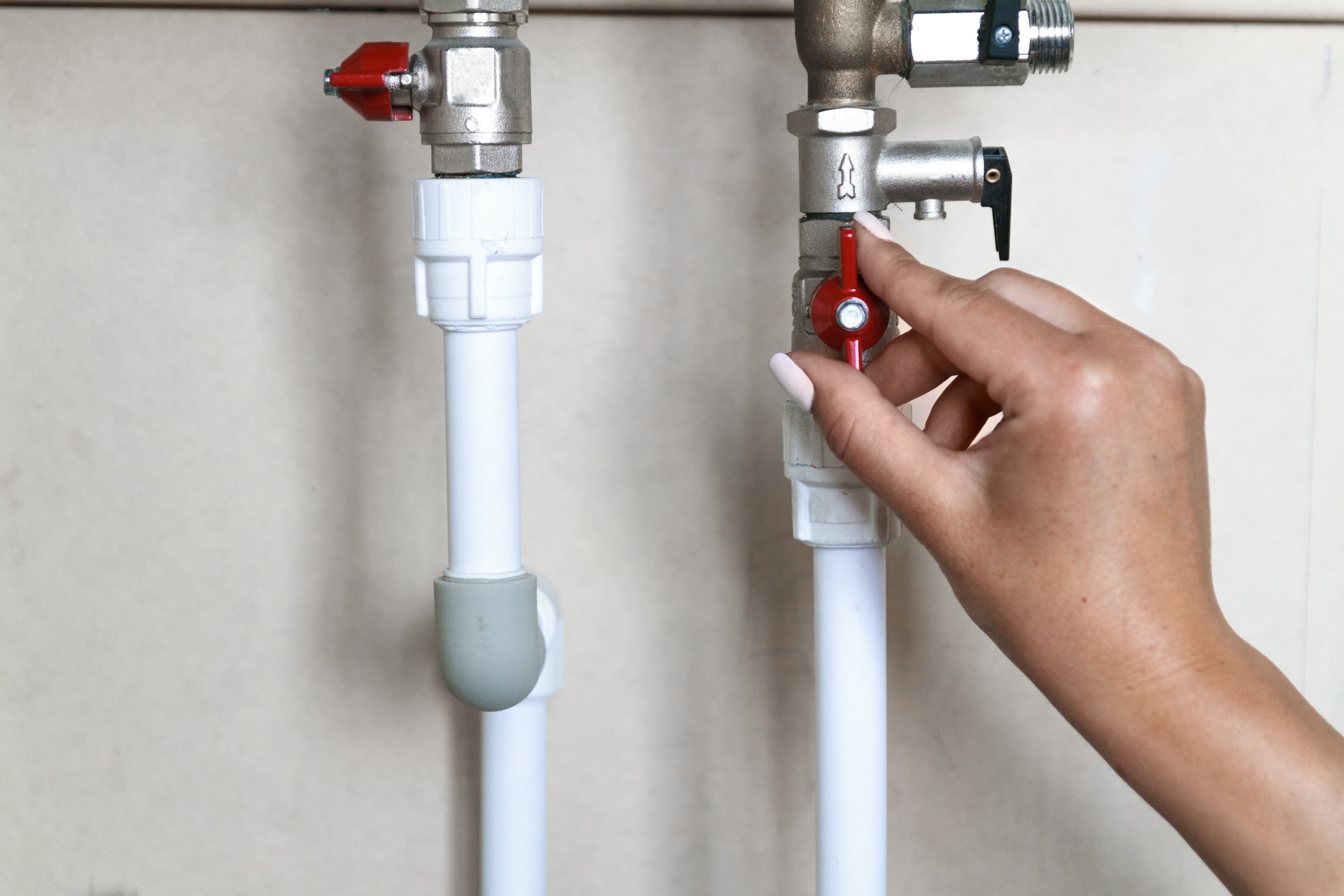
Water supply pipes connect from the boundary valve to the building, often passing beneath driveways, paths, or landscaped areas. Incorrect installation can lead to peaks, pressure loss, or future access problems.
Communications and Fibre
Fibre and communications ducting must be installed early to ensure the property is fibre-ready. Poor planning here can limit future internet options or require additional excavation later.
Key Mistakes Property Owners Make
1. Assuming It’s Included Elsewhere
One of the most common assumptions is that boundary connections are included in subdivision networks or building contracts. In many cases, they are not.
2. Not Allowing Enough Space
Driveways, retaining walls, or foundations are sometimes built before underground services are installed, making later access difficult or expensive.
3. Skipping Service Detection
Failing to locate existing services can lead to accidental damage during trenching, particularly on infill sites or older properties.
4. Using Inadequate Ducting
Low-quality or incorrectly sized ducting can restrict future upgrades, especially for power capacity increases or fibre installation.
The Boundary to Installation Process
Utility Works follows a structured process to ensure safe, compliant connections:
1. Site Assessment and Planning
Reviewing access routes, service locations, and future needs.
2. Underground Service Detection
Locating existing utilities before excavation begins.
3. Trenching and Duct Installation
Installing compliant ducting and separation for each service.
4. Utility Installation and Testing
Coordinating with electricians or water authorities where required.
5. Backfilling and Reinstatement
Restoring surfaces safely and neatly.
This approach ensures the connection is reliable, compliant, and future-ready.
Compliance and Local Considerations
Boundary to building connections must meet local authority and utility provider standards, including:
- Minimum trench depths
- Service separation distances
- Approved materials and ducting
- Correct reinstatement methods
In Auckland and Franklin, council requirements and tight site access often make early planning especially important.
Utility Works provides complete boundary to building connection services, including:
- Underground power cable installation
- Water mains connections
- Fibre and communications ducting
- Coordination with other underground utilities
We work across Auckland, Franklin, and North Waikato, supporting residential builds, subdivisions, and rural properties with safe, compliant underground connections, and our regional experience helps ensure installations meet all necessary standards without delays.
Plan Boundary Connections Early
Boundary to building connections are a small but critical part of any property’s infrastructure. Planning them early helps avoid delays, reduce costs, and ensure long-term reliability.
Contact Utility Works to discuss boundary to building connections for your next project and ensure your underground services are installed correctly from the start.
Frequently Asked Questions
Who is responsible for boundary to building connections?
In most cases, the property owner is responsible for services from the boundary to the building, while utility providers supply up to the boundary.
When should boundary connections be installed?
Ideally before driveways, paths, or landscaping are completed, and during early stages of construction.
Do boundary connections require consent?
Some connections may require inspection or approval, particularly for water and electrical services. A professional contractor can advise.
Can multiple services share the same trench?
Sometimes, yes — but strict separation and compliance rules apply. This must be planned carefully.
Why is ducting important for boundary connections?
Ducting protects cables and pipes, allows future upgrades, and reduces the need for re-excavation.
Let's discuss your underground project needs. Contact us today for a free, no-obligation quote.
Free, no-obligation quote · Mon–Fri 7am–5pm · Auckland, Franklin & North Waikato