
Articles & Advice · 15 October 2026
Plumber or Leak Detection Specialist? Who to Call for Which Leak in NZ
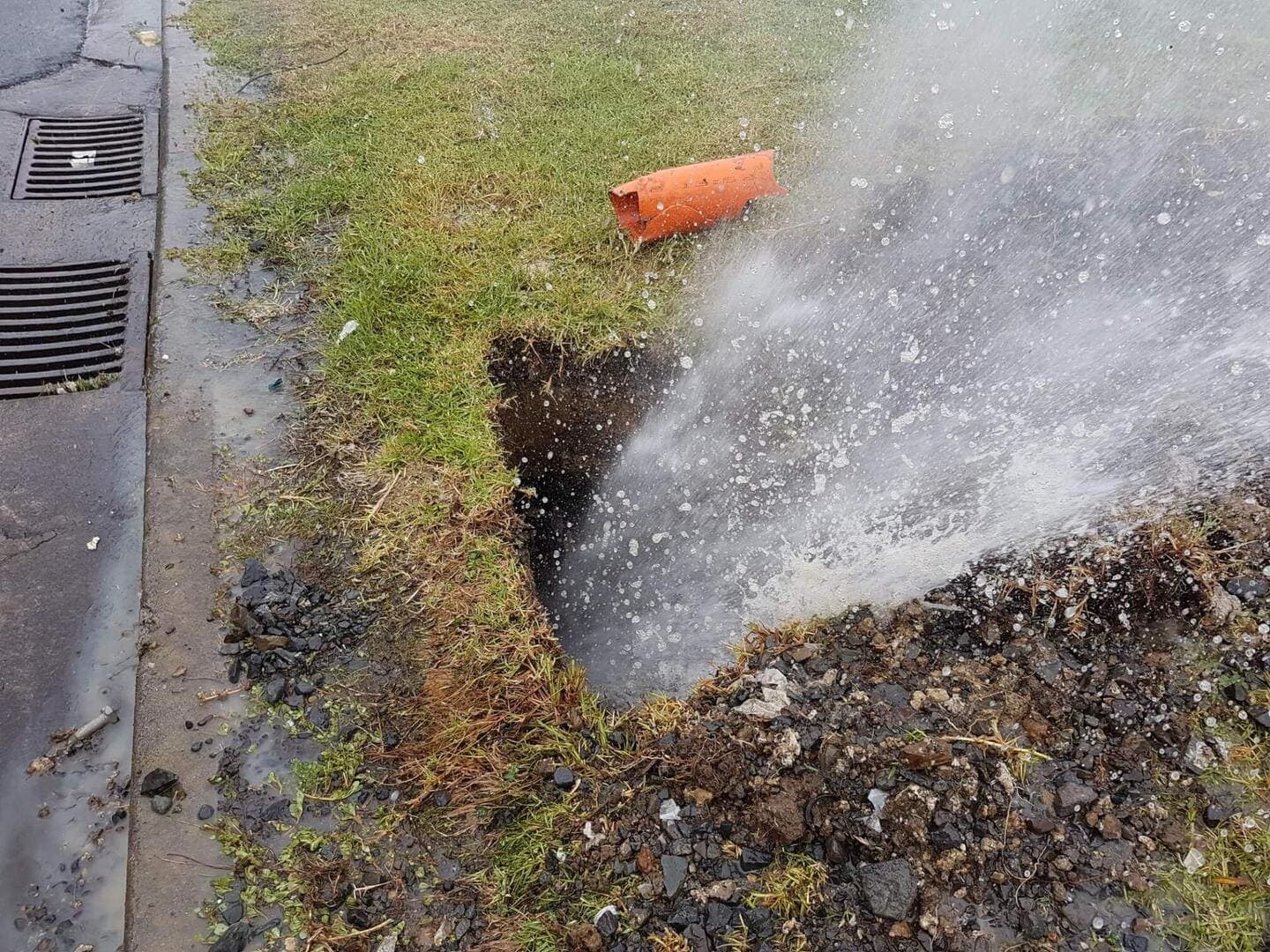
You have a leak, or at least the signs of one. Do you ring your plumber or a leak detection company? Both are the right call in different situations, and knowing which is which saves time, money and a lot of unnecessary digging. This guide sets out what each trade does, what each typically costs, how to decide in two minutes, and how the two work together on the leaks that are genuinely hidden.
Plumbers and leak detection specialists are not competitors. They solve different parts of the same problem, and on many jobs they work side by side. The confusion comes from the word leak, which covers everything from a weeping tap washer to a split pipe a metre under a concrete driveway. A plumber is a tradesperson who repairs and installs water, waste and gas pipework and fixtures. A leak detection specialist is a technician whose job is to find water that is escaping where nobody can see it, using equipment most plumbers do not carry. Utility Works does the second job across Auckland, Franklin, North Waikato and the Hauraki Plains, and because we also run diggers and hydro excavation trucks, we do the excavation and repair that follows. A good share of our work comes from plumbers who ring us for exactly that reason.
When a plumber is the right call
If you can see the leak, or you know exactly which fixture it is coming from, call a plumber. That covers most everyday leaks:
- Dripping taps, running toilets and leaking cistern valves.
- Leaks under the kitchen sink or vanity, or at a visible pipe joint.
- A hot water cylinder that is weeping or has let go, or a tempering valve that is passing.
- A burst pipe that has sprayed water into a wall or ceiling where you can see where it came from.
- Leaking shower mixers, washing machine hoses and dishwasher connections.
- A toby or garden tap that will not shut off.
- Gas fittings and appliances, which need a licensed gasfitter in any case.
In all these cases the problem is accessible and the fix is a plumbing repair. A plumber will have it sorted quickly and there is no need to involve anyone else.
When a leak detection specialist is the right call
Call a specialist when you know water is going somewhere but you cannot see where. Typical situations:
- Your meter keeps turning with everything off, but nothing is visibly leaking.
- The leak is underground, somewhere on the lateral between the meter and the house, or on a long rural line to troughs and sheds.
- The leak is under a concrete slab, showing as a warm patch, lifted tiles or damp at the base of a wall.
- The site is large, with a reticulated network, several buildings or many branches, and the loss could be anywhere.
- There are no surface signs at all, just a bill or a meter reading that does not add up.
- A plumber has already looked and could not find it.
- Your insurer or body corporate wants a report showing where the leak is before anyone digs.
Specialists use acoustic ground microphones, leak noise correlators, tracer gas, thermal imaging, pipe tracing and pressure isolation to narrow a hidden leak to a small area without opening the ground. You can read how the main method works on our acoustic leak detection page. Finding a leak this way is a skill in its own right, and the equipment is not something most plumbers carry on the van.
What each trade carries
| Tool or method | Plumber | Leak detection specialist |
|---|---|---|
| Visual inspection, pressure gauge, basic listening stick | Yes | Yes |
| Ground microphone and amplifier | Sometimes | Yes |
| Leak noise correlator (two sensors, computes the leak position) | Rarely | Yes |
| Tracer gas (hydrogen and nitrogen mix) and gas detector | Rarely | Yes |
| Thermal imaging camera for hot water lines under slabs | Sometimes | Yes |
| Electromagnetic pipe tracer and sonde to find the pipe route | Rarely | Yes |
| Hydro excavation truck and digger to expose the pipe | Hire or subcontract | Utility Works: own equipment |
| Pipe repair and fixture replacement | Yes | Utility Works: yes for buried pipe; fixtures and house plumbing go to a plumber |
What each typically costs
A plumber charges a call-out and an hourly rate, so a visible leak is usually a modest bill. Our side is simpler to state and harder to tabulate: Leak detection and service detection jobs can start from $300 +GST. Every job is different, so call 0800 779 588 and we'll talk through your situation and give you an estimate. Pipe material, depth, what is on top of the line and whether the repair follows the detection are what change it, and the fuller explanation is in our guide to what leak detection costs in NZ. The number that matters is the total, including the holes that were not dug, which is where the next section comes in.
Why guessing and digging costs more
When a leak is hidden, there is a temptation to dig where the ground is wettest and hope. Sometimes that works, usually on a shallow galvanised lateral in soft lawn. Often it does not, for a few reasons:
- Water travels. On the clays around Papakura, Drury and much of Franklin it can surface metres from where it left the pipe, following the backfill of the original trench or the fall of the land. On Pukekohe's free-draining loam it may not surface at all.
- Each exploratory hole costs labour, and if it is in a driveway or path it costs reinstatement too.
- Every hole that misses leaves the leak running longer, adding to the bill and the ground damage.
- Digging blind near other services risks striking power, gas or comms, which turns a leak into a much bigger problem.
A detection visit that pinpoints the leak first means one hole in the right place. In our experience that is almost always cheaper than two or three in the wrong places, even after the detection fee is counted.
A ten-acre rural site in May 2025 is the clean example: the crew traced the line, marked one spot, dug one hole and found the leak on the mark, instead of trenching until water appeared. The harder example is one of Auckland's most critical operations in September 2026, where other contractors had spent months trying to find a leak; with aerial infrared, GPR and acoustic equipment together, we traced the pipeline, pinpointed it, and had it excavated, repaired and reinstated within days of being commissioned.
How the two work together
On a hidden leak the usual sequence is: the plumber or the owner confirms there is a leak and that it is not inside the house, the specialist pinpoints it, and then someone exposes and repairs the pipe. Who does that last step depends on who you have called.
Many plumbers subcontract the detection to us and do the repair themselves. Others hand us the whole thing. Because Utility Works runs its own diggers and hydro excavation trucks and carries pipe and fittings, we can find the leak, open the ground and repair it in one visit, so you are not waiting between trades with the water running. Our underground leak detection and repair page explains the full process, and our article on why plumbers call Utility Works describes how the subcontract arrangement works from the trade's side.
The same applies in reverse. If we find that a leak is actually inside the house or at a fixture, we will tell you it is a plumbing job rather than pretend otherwise. If the hot water cylinder is the culprit, or the leak is in the wall pipework, the plumber is the right person to repair it. The aim is for you to pay one trade for the right work, not two trades for overlapping work.
Slab leaks: the case where the order matters most
Houses on concrete slabs, which is most New Zealand homes built since the 1970s, have their hot and cold pipes either in or under the slab. A leak there shows as a warm patch, lifting tiles, damp carpet at the edge of a room or a meter that will not stop. A plumber can confirm it with a pressure test on the hot and cold lines, but cannot see where under the floor it is. A specialist with a thermal camera and tracer gas can usually put it within a few hundred millimetres. The difference between that and opening the floor on a guess is the difference between one tile lifted and a kitchen pulled out. Polybutylene pipe from the late 1970s and 1980s, sold as Dux Quest and other brands, is a frequent cause, and when we find it we will say so, because the right answer is often to reroute the whole run rather than patch one failure.
Insurance claims
If the leak has damaged the house, your insurer will want to know where it was, what caused it and when it was fixed. Standard policies cover sudden damage; some include a hidden gradual damage benefit, typically capped at a few thousand dollars, that contributes to locating and repairing a leak you could not have seen. A specialist's report with photos of the located leak and the exposed pipe supports the claim and is the kind of evidence a plumber's invoice alone usually does not provide. Keep your meter photos and the repair invoice for a water remission application as well; see our guide to who owns the pipe from the street to your house.
A quick way to decide
- Can I see where the water is coming from? If yes, call a plumber.
- Does the meter stop when I close the valve into the house? If yes, the leak is inside; call a plumber.
- Does the meter keep running with the house isolated, or is the leak under the slab, the driveway or a long rural line? If yes, call a leak detection specialist.
- Has someone already looked and not found it? Call a specialist before anyone digs.
- Is it a large site with many buildings or a reticulated network? Call a specialist for a survey.
The meter test and the other signs are explained step by step in our guide to how to find an underground water leak.
If you are still unsure, call us on 0800 779 588 and describe what you are seeing. We will tell you straight whether it is one for us or one for your plumber. Across Auckland, Franklin, North Waikato and the Hauraki Plains, that phone call is often the cheapest part of fixing a leak.
Frequently Asked Questions
Can a plumber find an underground leak?
Some plumbers carry basic listening equipment and can find obvious underground leaks, particularly on metal pipe. For plastic pipe, deep lines, slab leaks or large sites, specialist acoustic and tracer gas equipment is usually needed, which is why many plumbers subcontract that part to us.
Do I need both a specialist and a plumber?
Not necessarily. Utility Works finds, exposes and repairs underground leaks with one crew, so for a buried or under-slab leak on the lateral you may only need us. If the leak turns out to be inside the house or at a fixture, a plumber is the right person for the repair and we will say so.
How much does a leak detection specialist cost compared with a plumber?
A plumber charges a call-out and an hourly rate for a visible leak. Leak detection and service detection jobs can start from $300 +GST. Every job is different, so call 0800 779 588 and we'll talk through your situation and give you an estimate. The specialist costs more per visit and usually saves more, because the repair is one hole in the right place rather than several in the wrong ones.
What if the specialist cannot find the leak?
Very small or intermittent leaks can be hard to hear on a single visit, especially on plastic pipe. In those cases we isolate sections of the line and test each one, use tracer gas, or come back when the leak has grown enough to hear. We will always tell you what we found and what the next step is.
Who should I call for a leak under a concrete slab?
A leak detection specialist first. A plumber can confirm the leak with a pressure test but cannot see where under the floor it is. Thermal imaging and tracer gas put it within a few hundred millimetres, so only that spot is opened.
Should I call a plumber or a leak detection company for a high water bill with no visible leak?
Run the meter test first: close the valve into the house and watch the meter. If it stops, the leak is inside and a plumber is the right call. If it keeps running, the leak is on the buried lateral and a leak detection specialist should find it before anyone digs.
Will Utility Works fix plumbing inside my house?
No. We find and repair leaks on buried pipe, from the meter to where the pipe enters the building, and under slabs where excavation is involved. Fixtures, cylinders and in-wall pipework are a plumber's work, and if that is where your leak turns out to be, we will tell you.
Let's discuss your underground project needs. Contact us today for a free, no-obligation quote.
Free, no-obligation quote · Mon–Fri 7am–5pm · Auckland, Franklin & North Waikato